
About Messors
Messors is an independent cultural organization based in Southern Italy that develops small-group workshops focused on language, art conservation, and cultural heritage. Programs combine structured instruction with field-based learning rooted in place, material culture, and everyday practice. Messors works in close collaboration with educators, conservators, artists, and local communities, offering participants direct engagement with living cultural traditions and historic works within an active regional context.
FAQ
Who is this program for?
Participants who are curious, engaged, and comfortable learning through daily use rather than classroom-only instruction. Programs suit adults seeking focused, practical learning in a small-group setting.
Do I need prior experience in Italian or conservation?
Some prior exposure is helpful, but not required. Instruction is adapted to the group’s level, and emphasis is placed on participation, observation, and steady practice rather than on mastery.
Are these academic or degree-granting programs?
The workshops offer practical, field-based training. Past participants have used the experience through our certificate of participation to support academic applications and professional development. Some of them have used the certificate of participation also for credits.
What language is used during the programs?
English is used throughout the day during activities, meals, and excursions. Gest lectures may be translated. into English. The Italian language-learning workshop is in Italian, with English translation when necessary.
What is the group size?
Groups are intentionally small, with a maximum of 14 participants, to allow for meaningful interaction, close instruction, and shared working rhythms.
Is accommodation included?
Yes. Accommodation is included at our workshop base, the historic palazzo in Gravina in Puglia. Rooms are shared, with shared bathrooms. In addition, participants are accommodated at the B&B above our residence.
Is this a tour or a retreat?
Messors programs are structured educational workshops with defined learning goals, instruction, and daily practice.
Who we are
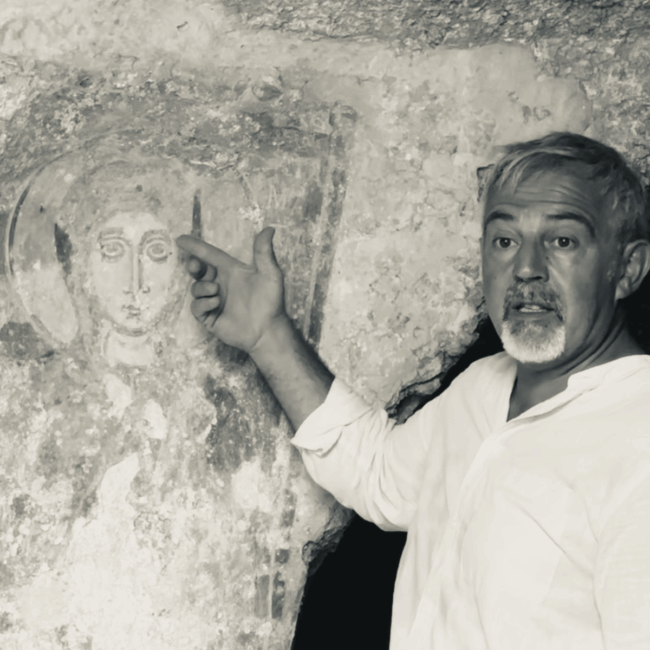
Tonio Creanza, founder and director of Messors, is an art and cultural heritage conservator and educator whose work centers on the stewardship of material and living heritage in southern Italy. Trained in conservation ethics and practice, Creanza approaches heritage as something that requires active care and responsible transmission, rather than static preservation.
Alongside his conservation practice, Creanza is deeply engaged in the stewardship of living heritage, particularly traditional olive cultivation and food production. Through long-standing relationships with local farmers, shepherds, and artisans, he supports the continuity of intergenerational practices rooted in seasonal labour, local knowledge, and community participation.
Through Messors, Creanza develops and leads international educational programs that bring students, museum professionals, and cultural practitioners into direct contact with active heritage environments. His work emphasizes ethical hosting, cultural mediation, and the creation of sustained exchanges between local communities and international participants.
Creanza’s practice operates at the intersection of cultural stewardship and cultural diplomacy, cultivating meaningful cross-cultural understanding through participation, responsibility, and long-term engagement with place.
Born and raised in Altamura (Puglia, Italy), in 1989 he founded the cultural heritage conservation company Sinergie and has over 30 years of experience as an advocate and director of sustainable projects and multidisciplinary programs for the enhancement of Cultural Heritage and Historic Sites in rural contexts.
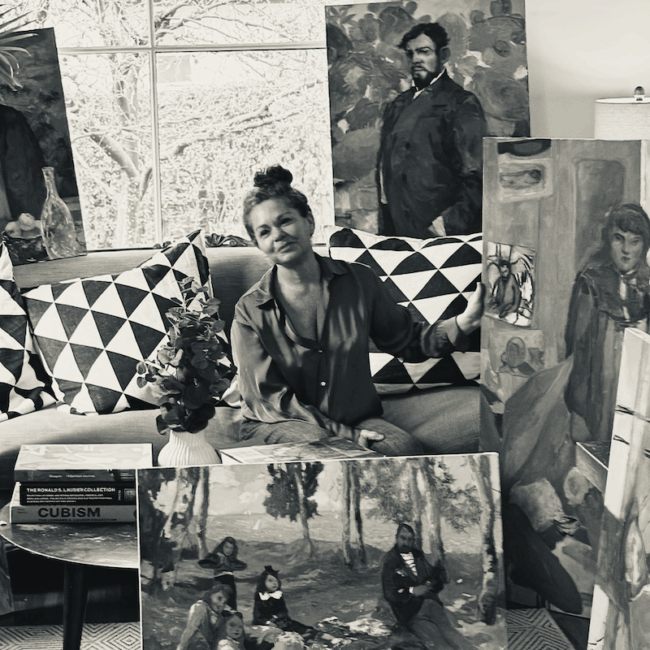
Jennifer Bell, Co-founder of Messors, acts as the workshop developer and coordinator. As a professional artist, Jennifer recognizes the profound cultural significance of art in a community and understands the critical importance of preserving it for future generations. Her introduction to the fine arts world began in her twenties when she left Vancouver, transitioning from a film background to study at the Art Students League for five years under the guidance of Austrian volcanic expressionist Gustav Rehberger. Jennifer first participated in the Jesce Project—a Puglian historical site preservation initiative —in 2004, and continued her visual arts studies at the Academia di Belle Arti in Bari. Living in Italy and engaging with the community and its cultural heritage has solidified her commitment to Messors’ mission to promote and preserve art and cultural heritage. Jennifer splits her time between Italy and Canada.
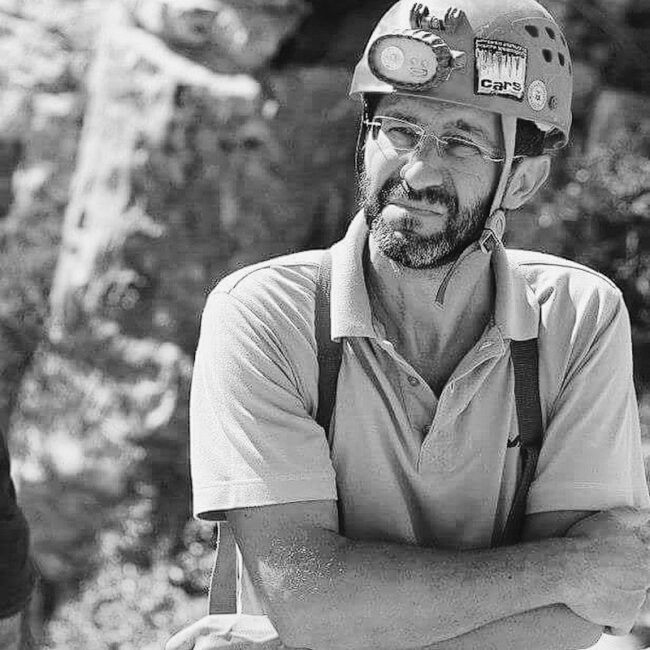
Born and raised in Altamura, Giovanni has his Doctorate in Agronomy and is the Co-Founder and Co-Director of the Fornello Cave Project. Giovanni led the group that discovered the Neanderthal fossil skeleton ‘Uomo di Altamura’- ‘Altamura Man’ and continues to be active in Speleology. He has extensive knowledge of the Pugliese territory from his contributions ranging from biology, geology and photography. Giovanni is one of the co- founders of Sinergie and with Tonio has been running archaeology and site conservation projects since 1989.

Filip Petcu is the Director of the Muzeul de Artă Timișoara (National Museum of Art Timișoara) and serves as the lead painting conservation instructor for our summer programs. He is a lecturer specializing in Byzantine iconography, painting restoration, and conservation practices.
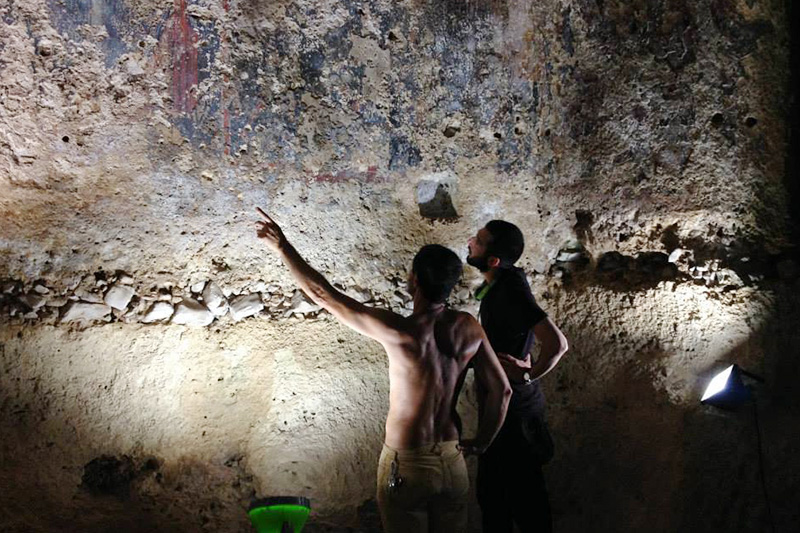
Filip actively contributes to the Messors’ Fornello Sustainable Preservation Project, which focuses on the study and recovery of the fresco iconographical program at the rupestrian site in Altamura, Puglia, Italy.
He earned his Master’s degree in “Icon-Painting and Restoration” and holds a Bachelor’s degree from the Faculty of Arts and Design at West University of Timișoara. In 2014, he completed his Ph.D. in visual arts, specializing in Byzantine iconography, which highlights his dedication to scholarly pursuit and excellence in art conservation. Filip is also a lecturer in the Department of Conservation-Restoration of Painting at the West University of Timișoara, where he continues to make significant academic and practical contributions to the field.
Filip advocacy for art from Timișoara, Romania, and beyond has helped elevate the Timisoara National Art Museum to a standard for art museography in both Romania and Europe. His achievements during the year of Timișoara’s designation as the European Capital of Culture greatly strengthened the city’s status as a leading cultural hub. A notable recent exhibition, “Caravaggio’s Lights: The Beginning of Modernity in European Painting—Masterpieces from the Roberto Longhi Collection,” was held at the National Museum of Art Timișoara from November 2024 to February 2025. This exhibition showcased, for the first time in Romania, an original painting by Caravaggio.
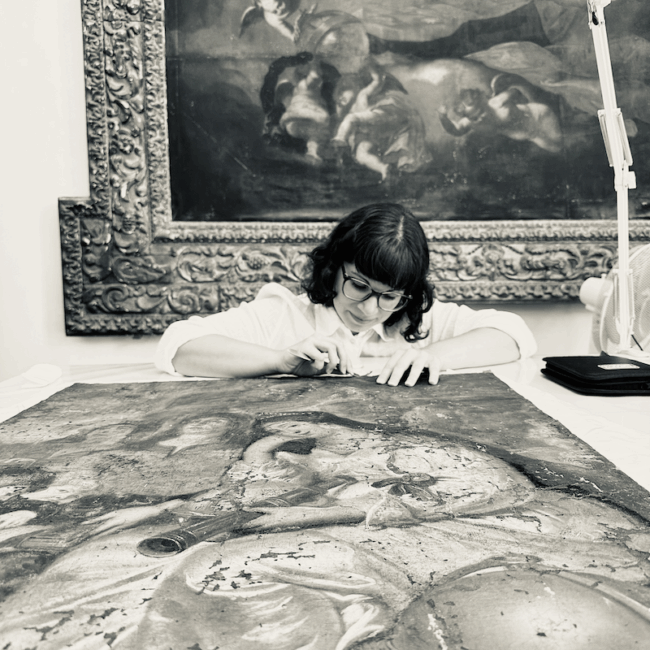
Joana is an art conservator specializing in paintings and contemporary art conservation. She graduated in Conservation and Restoration from the Federal University of Rio de Janeiro and has recently received her MA in Conservation and Restoration of Cultural Heritage from the Catholic University of Portugal. Her research is focused on the inpainting of artworks, studying both traditional techniques and materials available for this phase of intervention and researching the application of different binders as inpaint media, their stability and reversibility. She has worked as a conservator for institutions such as the Serralves Foundation. Currently, she acts as a private conservator in Brazil, working for collectors and art galleries at Centro de Conservação de Bens Culturais and Marcela Tapia’s studio. This will be Joana’s third year working with Messors as fine art conservator workshop instructor.
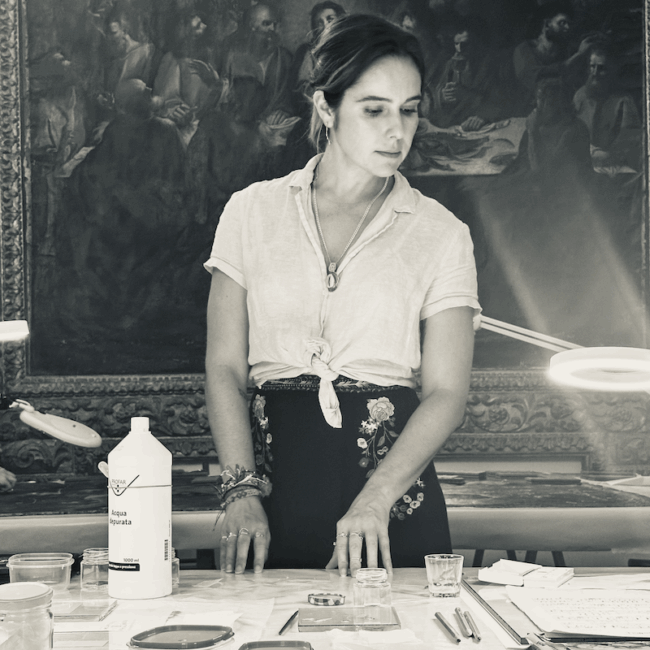
Bia is a trained chemist and conservator who combined her interest in Science, Art and Conservation to build a career as a heritage scientist. She received her MA in Conservation of Archaeological and Museum Objects from Durham University and, more recently, a PhD in Science from the University of Copenhagen, where she applied her chemistry skills to the study of Archaeology. As a scientist, Bia has focused her research mainly on the application of non-invasive spectroscopic techniques for the study of pigments and developed a large study on the characterization of madder and cochineal pigments by fibre optic reflectance spectroscopy (FORS) at the Getty Conservation Institute. Throughout the years, however, she never fully left her role as a conservator, and worked as such in several institutions, such as the National Museums of Scotland and Durham University. However, it was at Centro de Conservação de Bens Culturais in Brazil, where, for the past seven years, she focused on the conservation of works of art on paper. Now, Bia divides her time between her work in Brazil as a conservator and her research in Denmark.
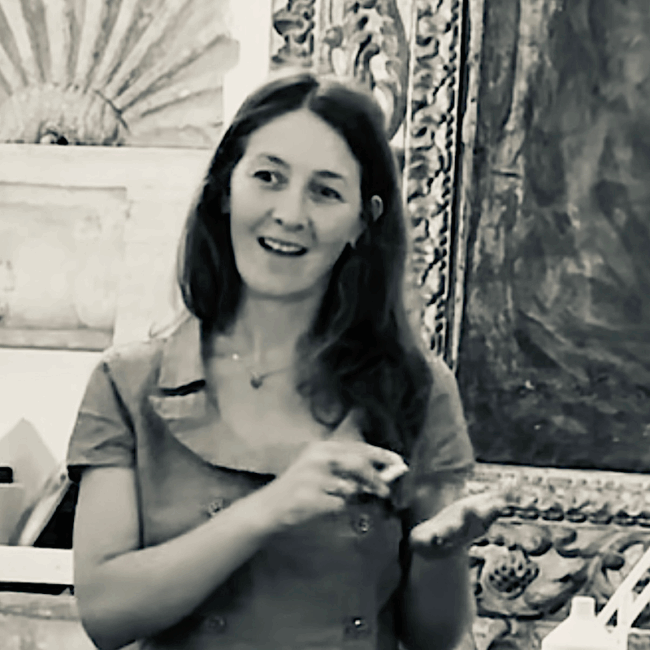
Andreea is a museum curator and art historian whose work bridges scholarship, curatorial innovation, and cultural dialogue across Europe. She serves as senior curator at the National Museum of Art Timișoara (MNArT), where she has curated major exhibitions such as The Lights of Caravaggio. The Beginning of Modernity in European Painting (2024–2025), Catharsis at the End of a World. Suzana Fântânariu (2023–2024), Paul Neagu. A Retrospective (2022–2023), and Romul Nuțiu. Playing Hazard (2023).
Educated at the West University of Timișoara and the École Supérieure d’Art de Metz, Andreea holds a PhD in Visual Arts (2016) and degrees in Art History, Painting, and European Cultural Policies. Her academic and professional formation includes programs at MoMA (New York), University Complutense of Madrid, and the Goethe-Institut’s Cultural Management Academy.
She has collaborated with international scholars and institutions such as Centre Pompidou, Fondazione Roberto Longhi, and the Paul Neagu Estate, and has authored several books and exhibition catalogues.
Since 1989, our comprehensive approach has stimulated an engaging learning environment complemented by interactive and connecting experiential outcomes.
Our workshops and projects play a creative, dynamic role in conserving and enhancing historical contexts in the rich cultural setting of Puglia and Basilicata in Southern Italy.
In all the workshops offered, participants interact with experts, professionals and members of the region to explore ways tangible and intangible cultural patrimony and its conservation can substantially impact communities and larger cultural and social issues.
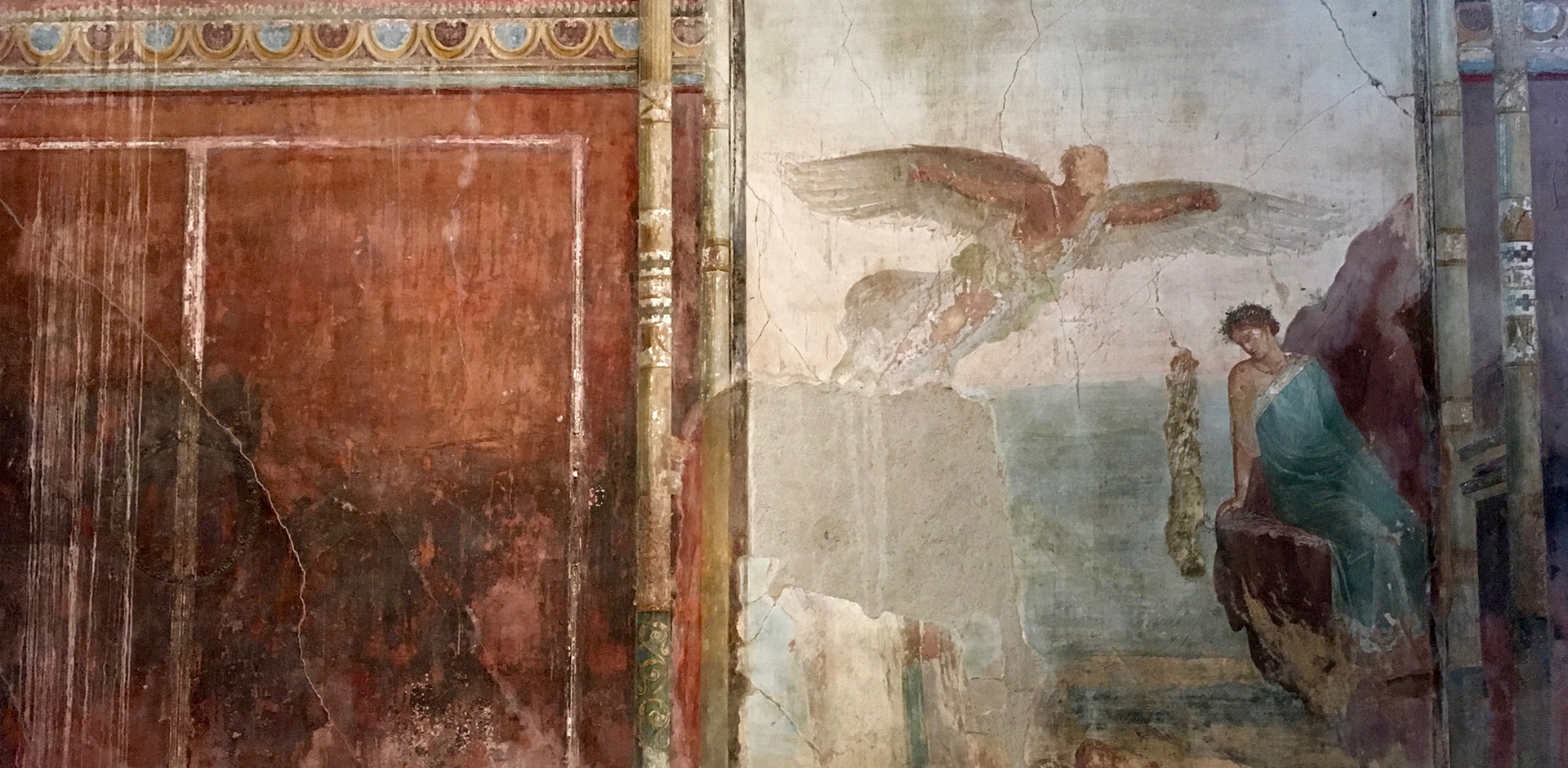
Our Approach & Philosophy
Program founder and director Tonio Creanza has been running fresco and art conservation projects and volunteer preservation programs for over 25 years. Since early childhood, he has harvested the grapes and olives, and seeded the Murgian plains with wheat. As a teenager, he explored the underground caves and learned to identify the geographical clues of hidden Hellenic burial sites.
His passion for the historically rich region is echoed in the programs approaching them with the enthusiastic concept “to do is to learn”; recognizing the importance of process and learning through practice. All of our workshop leaders and contributors share this same spirit.
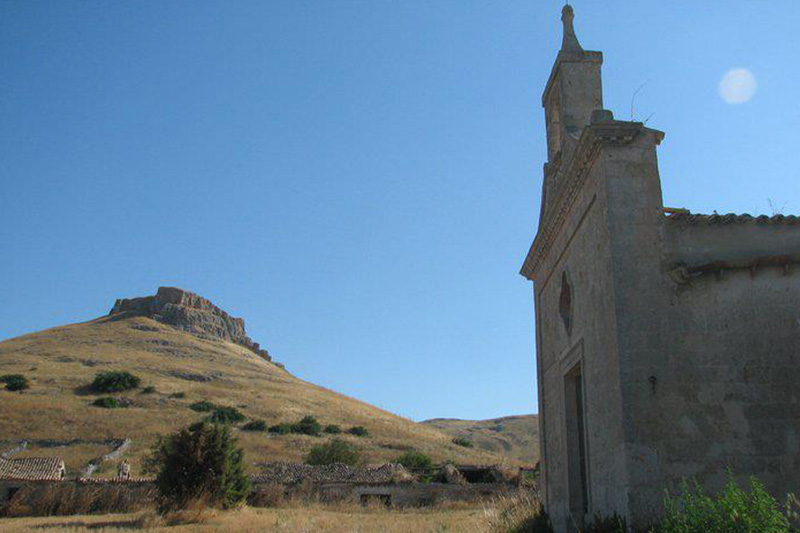
In 1989, an enthusiastic group with various specialties in the areas of conservation of the regional artistic and cultural heritage gathered together to form a collective under the name Sinergie. And In 2010, the group established Masseria La Selva, an 18th century hunting lodge, as the location to conduct the workshops under its new name Messors.
Messor, in ancient Roman mythology, was one of the helpers to the goddess of agriculture and grain crops. A Messor is one who “reaps and harvests”.
Since its inception, under the guidance of program founder director Tonio Creanza, the company has been working on: archeological research, extensive restoration projects on frescoes, architecture, canvas, wood and stone statues and decorative painting, guided tours, educational field school projects, and “study abroad university programs” credited courses in fresco restoration and archeology.
In 1993, the collective proposed a project titled Eutropia to the municipality of Altamura. The aim was to restore and promote an important historical-archeological site called Masseria Jesce. This educational volunteer project ran from 1995 to 2009 and hosted over 700 volunteers coming from abroad to help and learn traditional stone wall techniques of restoration. By 2009, seventy percent of the site was restored and is now used by the community for arts and culture events.
Between 2004 and 2008, the organization, in conjunction with Dr Joan Walker, collaborated with James Madison University of Virginia to offer educational programs in the area of fresco restoration and archaeology in Puglia region.