
The Grove, the Vine and the Sea
October 29 – November 2, 2026
Join us in the Olive Grove.
A five-day hands-on workshop exploring olive oil, wine, regional cooking and the history of agrarian landscape.
The olive harvest is one of autumn’s defining agricultural events in southern Italy, part of a long history of cultivation that has influenced the region’s landscape, economy and food culture. Ancient grain cultivation, pastoral cheesemaking, viticulture and centuries of Mediterranean trade offer a fascinating account of the people, agricultural practices and cultural exchanges that have contributed to Puglia’s identity.
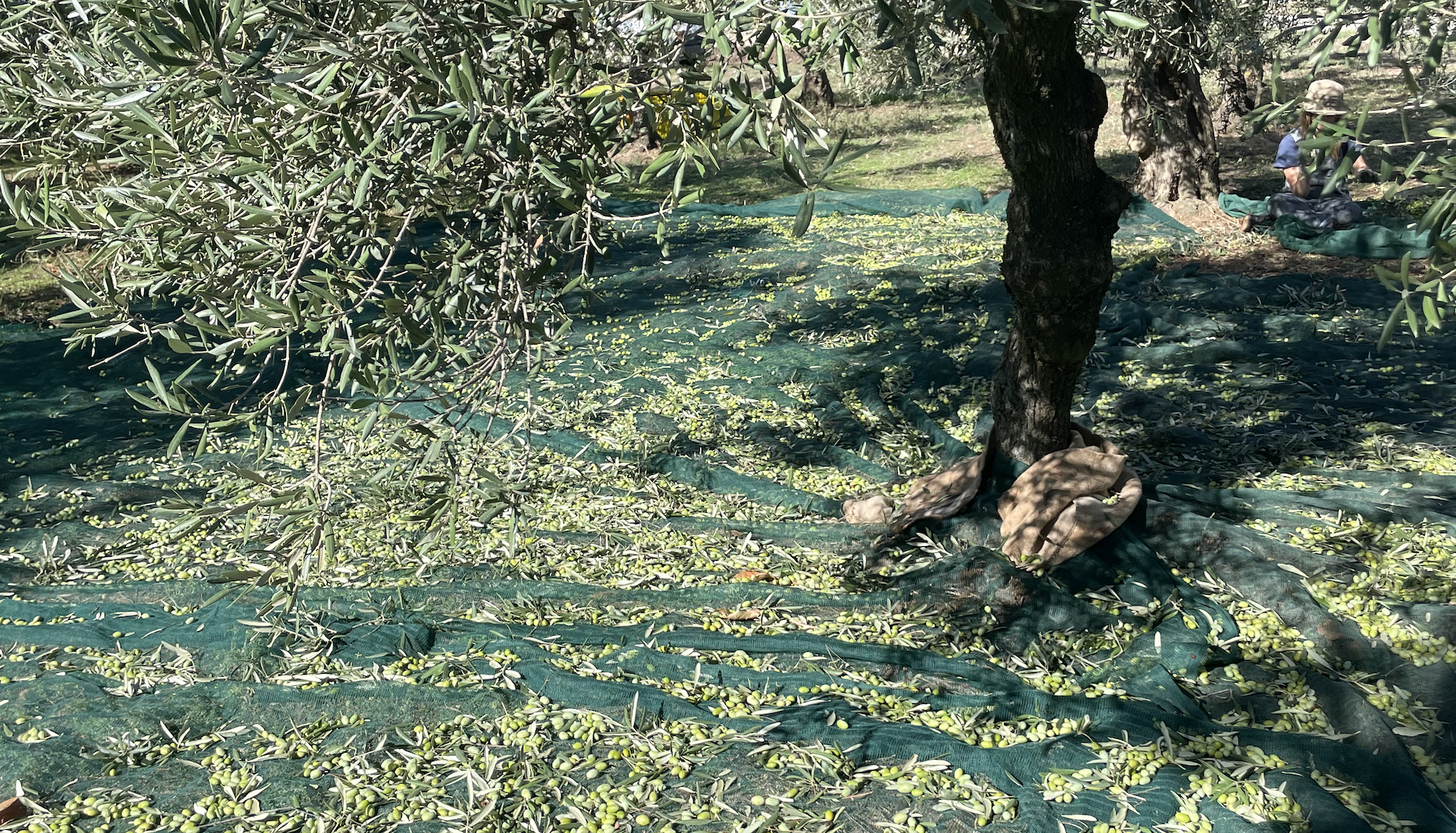
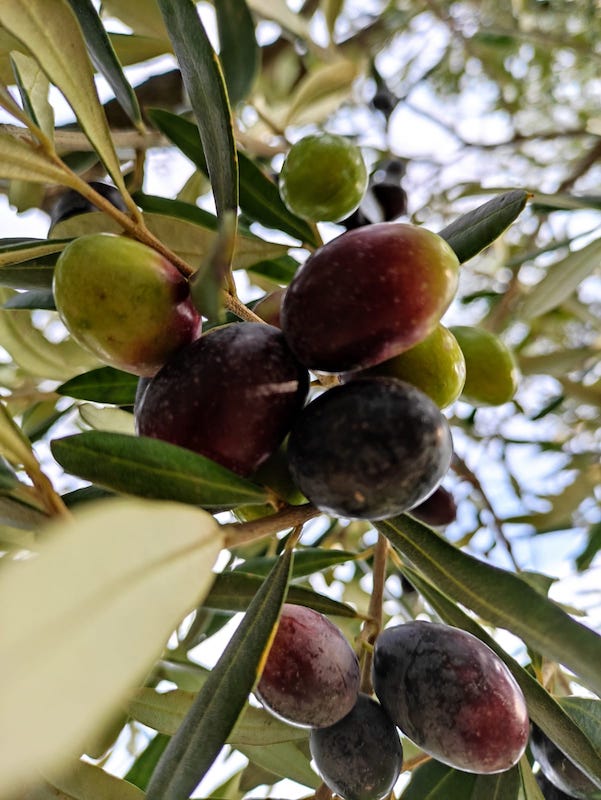
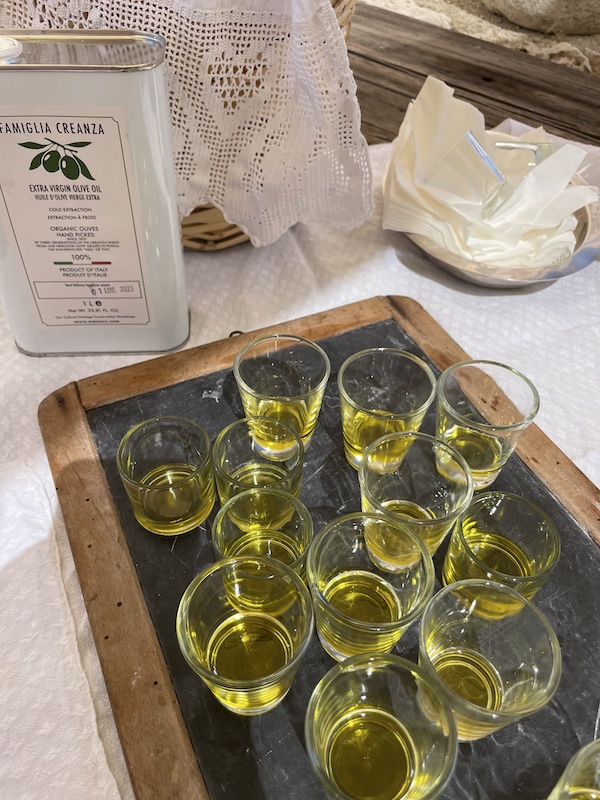
The autumn harvest brings us into the olive groves to gather fruit and follow the olive oil extraction at a working mill. Through professional tastings, we examine the characteristics of different cultivars, the influence of cultivation and extraction methods, and the distinctions between quality, classification and marketing. Conversations with growers and producers introduce the challenges of contemporary olive cultivation and the preservation of historic groves.
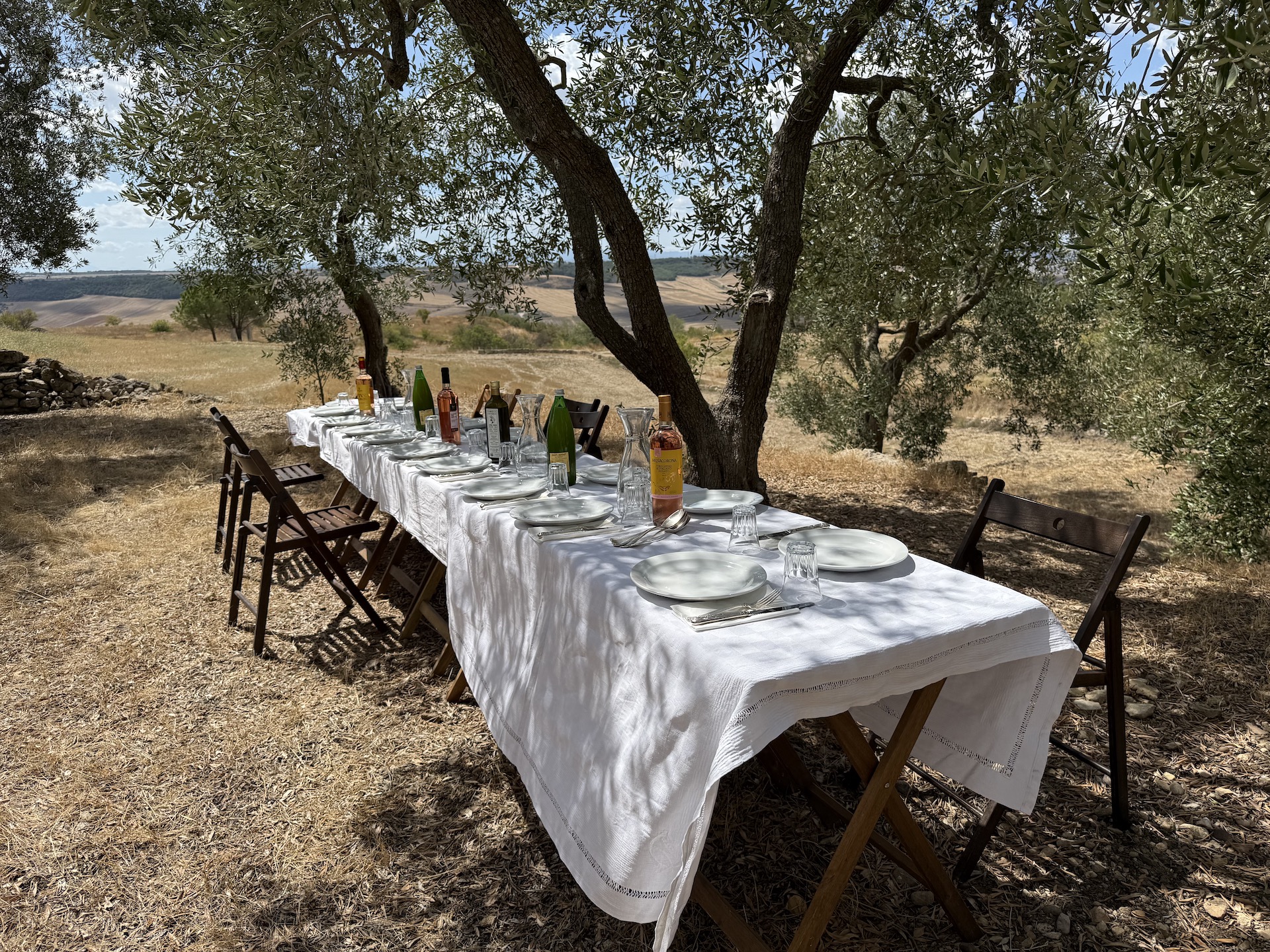
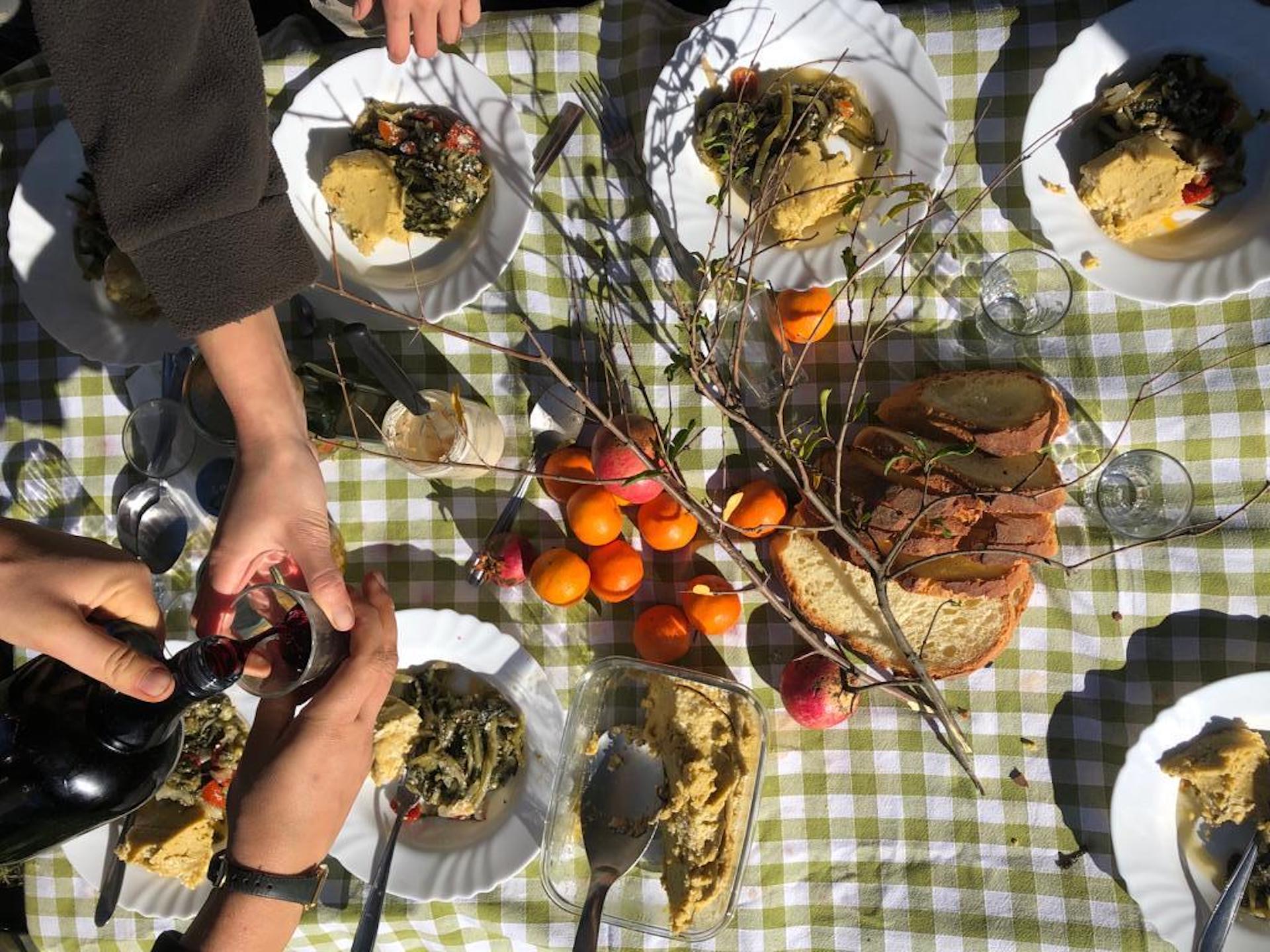
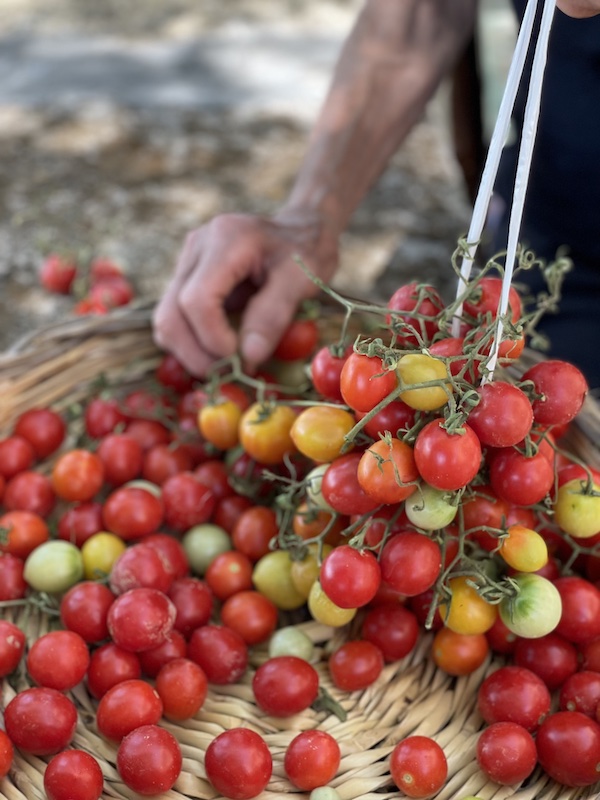
Join a local family in their olive groves for the annual harvest, a seasonal ritual filled with anticipation and trepidation as the year’s yield is revealed. Work alongside the family, harvesting olives and following their journey to the mill for extraction. Gather around the family table for a celebratory lunch and savour the fragrant, vibrant taste of freshly extracted olive oil—the essence of a year’s care and the land’s generosity.
The workshop explores the agricultural and social history of Puglia and neighbouring Basilicata through encounters with the people who cultivate its land, produce its food and maintain its agrarian practices. The ravines, rock-hewn settlements, churches, agricultural terraces and pastoral routes help us understand how people occupied, cultivated and adapted to this terrain over centuries.
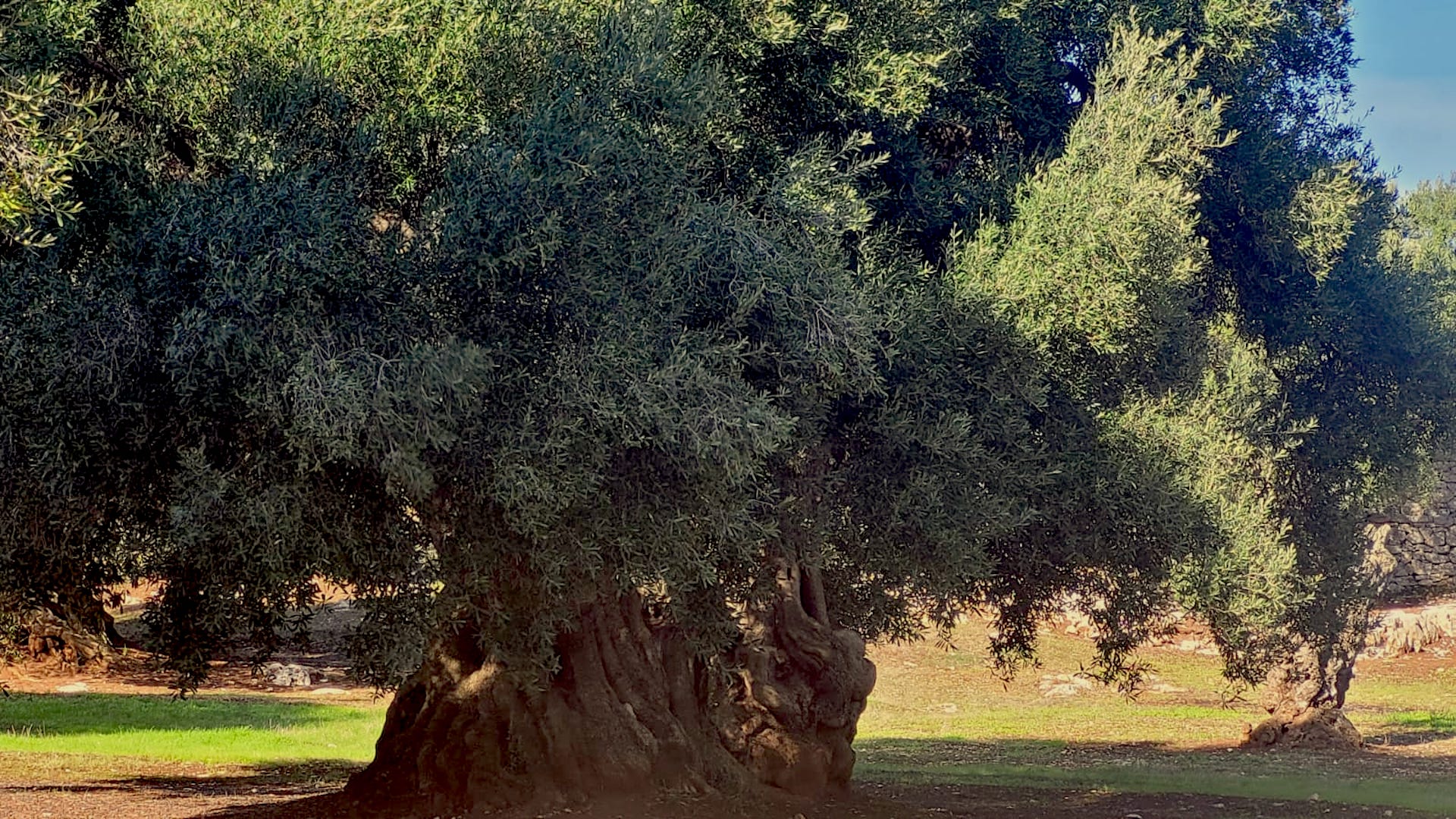
We spend time with shepherds making cheeses, prepare regional dishes using seasonal produce, and investigate the history of grain, bread and the protected identities of local foods. At vineyards and archaeological sites, we examine the history of wine production and the agricultural economies of the ancient world. Along the Adriatic coast, harbours and millenarian olive trees introduce the movement of goods, people and agricultural knowledge across the Mediterranean.
Over five days of harvesting, cooking, tastings, and excursions, we get to know farmers, shepherds, artisans, and producers whose work continues to shape the region’s food culture. Archaeology, geography and agricultural history provide the context for understanding the foods we prepare, taste and share.
Taste and Compare Freshly Extracted Olive Oil
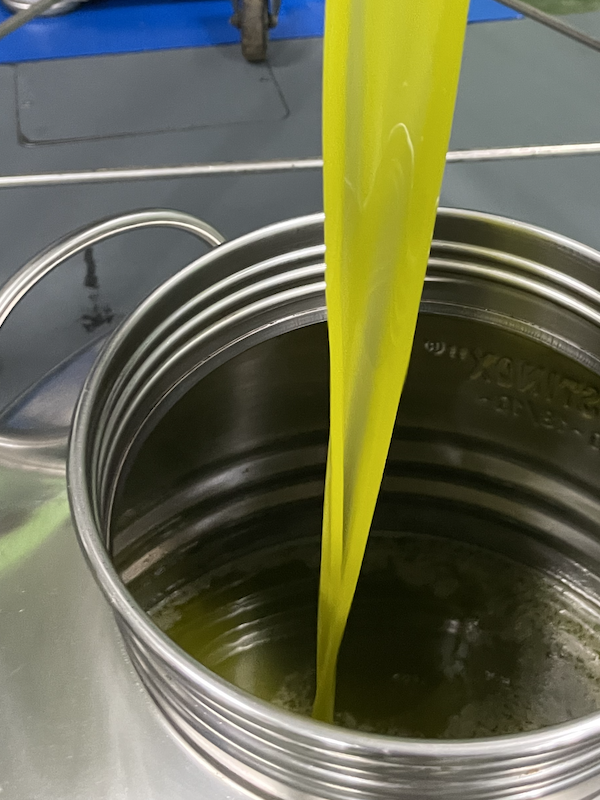
Witness the olive oil extraction process firsthand and savour the season’s first oils.
Extraction Methods
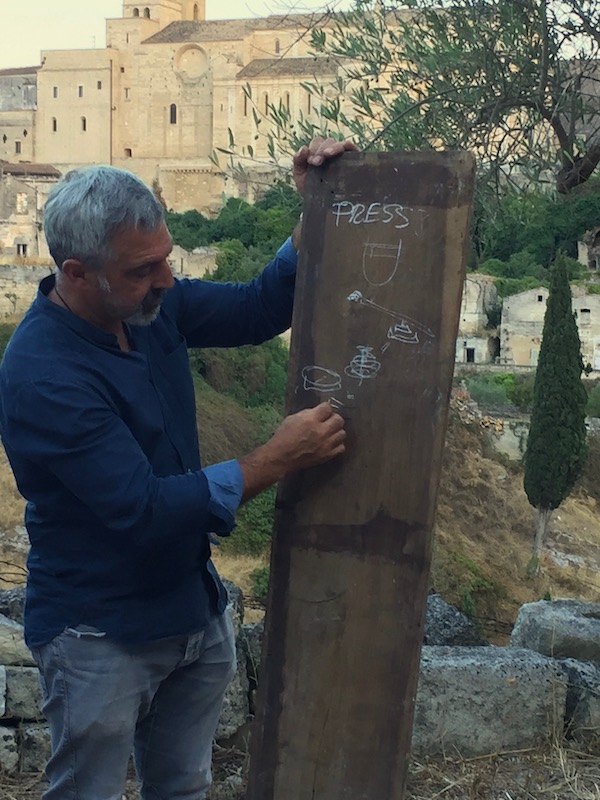
Learn about the evolution of olive oil production, from traditional practices to modern techniques.
Distinguish High-Quality Olive Oil
Uncover the clues to identifying authentic extra-virgin olive oil.
Conduct an Organoleptic Evaluation
Assessing olive oil positive and negative descriptors through sensory analysis.
History of Olive Cultivation
Delve into the rich history of olive trees and their central role in Mediterranean culture and economy.
Demystify Labels and Marketing Definitions
Decode terms like “extra virgin” or “cold press” and learn to navigate olive oil labels.
Gastronomic Uses and Health Benefits
Discover the culinary versatility, flavour profile and nutritional value of oils from different olive varietals with tips for incorporating them into meals.
Cheesemaking at 3rd century B.C.E. Fornello Cave site
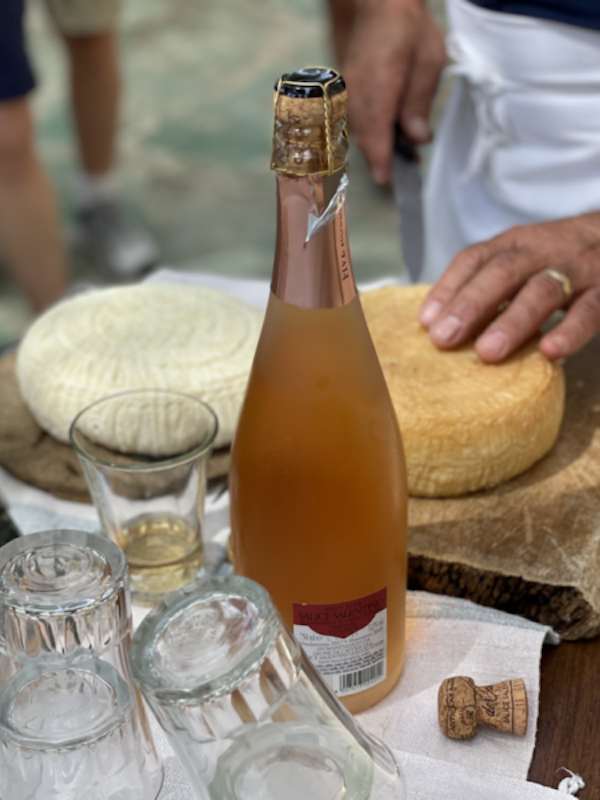
Make the cheeses of Puglia: pecorino, mozzarella, bocconcini, treccia, burrata, scamorza. Learn about traditional rennet and aging. Meet with the shepherd and his family to bring in the flock from the pasture.
Morning at the market
Sourcing seasonal produce.
All-day cooking
Cooking traditional regional dishes.
Visit Historical – Archaeological Sites and the Monumental Multicentennial Olive Trees
Learn about the region’s wealth of history, architecture, art, and landscape.
A Journey Through the Olive Harvest and the World of Olive Oil
The olive has been cultivated in Puglia for thousands of years and remains central to the agricultural, economic and food history of the Mediterranean. Set within the Murgian landscape of Gravina, Altamura and Matera, this five-day workshop examines olive cultivation and oil production through the region’s agricultural practices, historic landscape and contemporary harvest.
Working in the olive groves during harvest, participants learn about local cultivars, soils, pruning and tree management, harvesting methods, and the factors that influence the character and quality of olive oil. Visits to working mills follow the olives through extraction, providing an opportunity to compare production methods and taste newly extracted oils from the current harvest.
Exploring the Harvest, Food and Agrarian Landscape
A Day at the Family Olive Harvest
Join a local family in their olive groves during the annual harvest, taking part in a ritual that has shaped rural life for generations. The harvest is a time of anticipation and trepidation, as months of tending the trees culminate in the uncertain outcome of the season’s yield. Working alongside the family, we participate in the daily harvesting operations and share in the collective effort that brings the olives from the trees to the mill. We then gather around the family table for a celebratory meal, experiencing the pleasure of the first freshly extracted olive oil with unmistakable taste of the new harvest.
At the Olive Mill and Groves
What should its freshly extracted oil taste like? At the mill, follow the harvest through extraction, taste the first oils, and see how decisions in the grove and at the mill shape their character. Discuss cultivation with producers whose families have tended these groves for generations. Consider the olive tree as a crop, an inheritance and a historical record of the southern Italian landscape.“Extra virgin” is a classification, but how do we recognize its qualities in the glass? Investigate adulteration, production methods and marketing terminology. Through comparative tasting, develop a vocabulary for identifying an oil’s aromas, flavours and defects.
At the Shepherd’s House
Does cheese have a season? Spend time with the shepherd and his family at Fornello, bringing your questions to the house, the pasture and the cheesemaking process. Explore the relationship between the flock’s diet, the character of its milk and the cheeses you make and taste.
Why This Loaf, from This Place?
What does Altamura’s DOP designation protect? Examine the relationship between grain, flour, method and geography and how a familiar food becomes the subject of a precise definition. Consider how geographical indications and protected designations influence the production, identity and reputation of regional foods, and the sometimes complicated relationship between historical practice and modern regulation.
At the Masseria: Cooking the Autumn Harvest
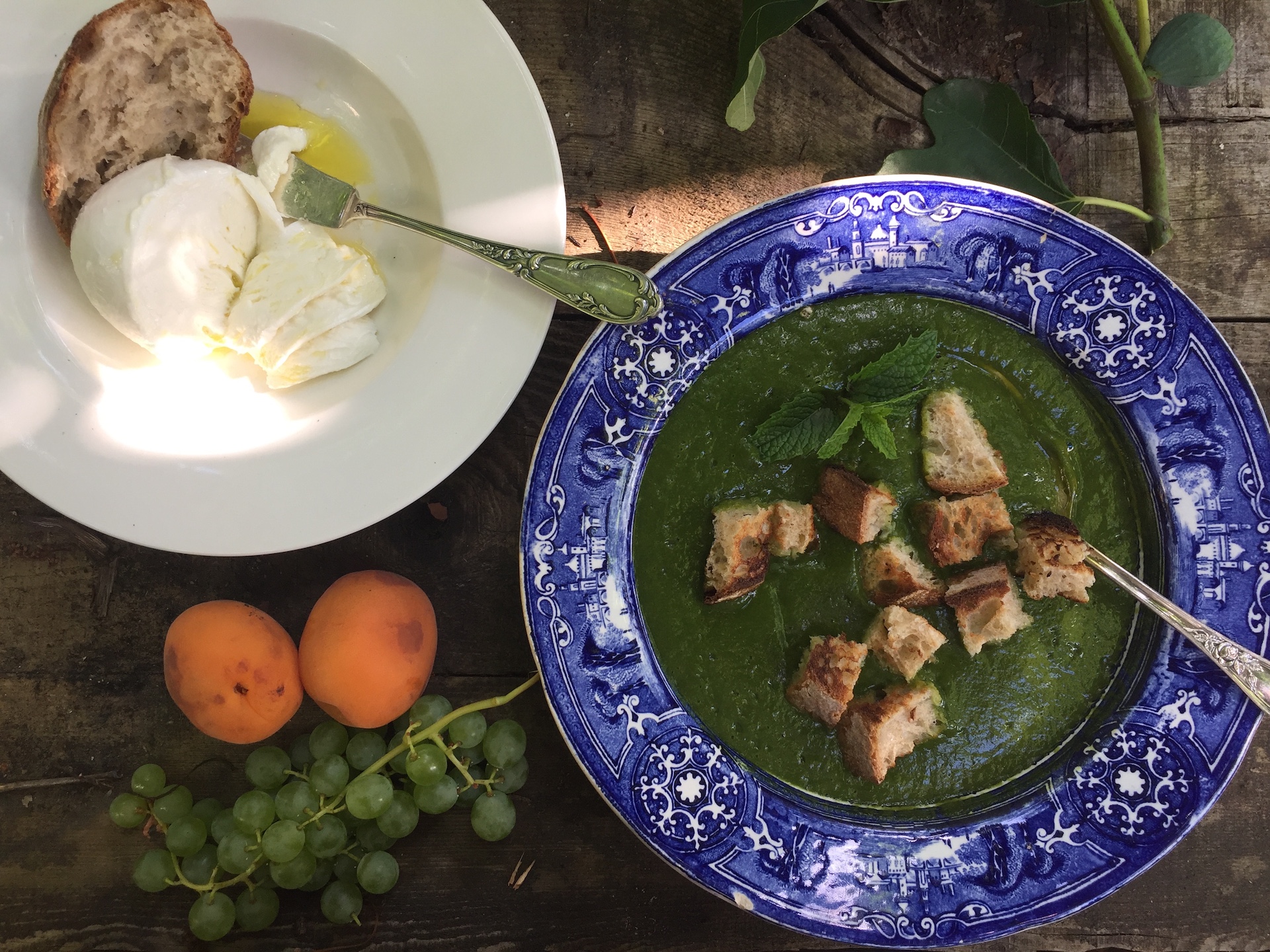
Spend a day preparing regional dishes with olive oil, autumn produce, preserved ingredients and handmade pasta. Cook wild boar over the fire and examine the methods of preparation and preservation associated with the agricultural calendar.
Wine and the Agricultural Past
Taste regional wines at a hilltop winery and discuss the landscape that produces them. Archaeological evidence of Roman winemaking at Vagnari opens questions about cultivation, storage and consumption: who produced the wine, who drank it, and what can its surviving traces tell us?
The Mediterranean Exchange
Among monumental coastal olive groves and over lunch beside the Adriatic, explore the relationship between cultivated land and maritime life. Wine, oil and vessels crossed the sea with merchants and travellers; knowledge, tastes and agricultural practices circulated with them. Consider Puglia’s connections with the ancient Greek world and how exchanges across the Mediterranean entered its fields, agricultural economies and food practices.
Culinary Traditions and Local Practices
The workshop extends into the broader food culture of Puglia through a cheese-making session with a local shepherd at a historical Byzantine site, followed by a walk through the fields to meet the shepherd and flock. You’ll also visit a bakery to witness the traditional production of Altamura D.O.P. bread and spend a day cooking seasonal recipes, where you’ll engage with local culinary practices.
There will also be time for wine tasting at a local winery, offering an opportunity to connect with the broader agricultural heritage of the region. These activities provide a rounded understanding of the interconnected traditions that shape Puglia’s food culture.
The workshop is led by Puglian native Tonio Creanza, the Founder and Director of Messors and 6th generation olive oil and durum wheat producer, along with his colleagues of local farmers, cheese makers, shepherds, historians, restauranteurs, etc.
Tonio grew up on his family farm tending to durum wheat, vineyards and olive tree cultivation in the historical and archeological rich setting of Puglia. As a cultural heritage conservator and 6th generation olive oil producer, his knowledge and passion for food and history is echoed in the workshops he has been running for the past 25 years. The hands-on and in-situ approach of the workshops creates an enriching living school model and culturally connecting experiences for travelers and locals.
Workshop Dates
The Olive Grove Workshop
- October 29 – November 2, 2026
- Includes arrival and departure days.
Registration
Email: messors.tonio@gmail.com
Please, let us know which workshop you are inquiring about, along with a brief introduction.
Workshops are instructed in English, and lectures are translated when necessary.
Registration for this workshop closes when we reach a maximum of 14 participants.
Due to limited capacity, participation is confirmed upon receipt of registration with deposit.
Participants’ ages range from the early twenties to the late sixties, as do backgrounds of study and interests.
Applicants not in the general age range are welcome to inquire to discuss details, learn what to expect, and determine the suitability of the workshop’s activities.
You need to be 18 to register (16 y-o if accompanied by an adult).
Participation costs
The Olive Grove Workshop
- October 29 – November 2, 2026 2250 EUR
- Includes your stay (shared occupancy), transportation to and from the Bari airport, hotel or train station on arrival and departure days, meals and wine.
- Does not include: airfare, personal health and travel insurance, personal expenses.
What to expect
This is an active and dynamic workshop. We ask participants to be in good health and be prepared for walks in the rural countryside, historic towns and uneven terrain.
As all of the participants range greatly in age and background, we ask that they be able to participate in activities, appreciate group interaction, and be ready for some impromptu experiences that will arise, creating adventure and a learning environment.
The workshop includes
- The fundamentals of southern Italian cuisine: olive oil, wine, durum wheat flour, cheese, and seasonal produce. How it is grown, harvested, produced, and cooked. Cook, eat and enjoy it with the community.
- Olive oil tasting and talk on “The origin and evolution of olive oil extraction; distinguishing a true extra-virgin olive oil and demystifying supermarket labelling definitions. In the olive orchards – talk on cultivars, pruning, tending, harvesting.
- Drink the unique regional wines made from autochthonous grapes preexisting the ancient Greek colonization.
- Cheesemaking at 3rd century B.C. Fornello Cave site, meet with the shepherd and his family to bring in the flock from pasture and be part of his daily life. Learn about the cheeses of Puglia, traditional rennet, and aging. Participants will make pecorino, mozzarella, bocconcini, treccia, burrata, scamorza.
- All day cooking regional traditional dishes.
- Visit and talk about the evolution of Matera and its Sassi, the unique cave-dwelling settlement inhabited for millennia and a UNESCO heritage site.
- Bake bread with the fornaio at the traditional wood-oven bakery and learn about the mother dough of Altamura DOP bread.
- Local farm- talk on Durum wheat crops, seeding, and harvesting. Learn to make durum wheat flour pasta with different shapes specific to the region.
- Excursions to Matera, Altamura, a coastal Adriatic Sea town, and the historical sites of Botromagno, Jesce, and Fornello.
- Walk through and learn about the cultivation of the still-producing monumental, millenary olive trees that form the exceptional historic landscape of the Puglia Region.
*Field trips and projected itinerary are subject to changes depending on weather conditions, museum and third parties operating hours, and unforeseen circumstances.