
Italian Food Heritage Workshop in Puglia 2027 | Shepherds & Food Culture
August 30 – September 4, 2027 (registration open)
Traditional Food Culture, Harvesting, Shepherding & Cooking
Messors offers small-group food heritage workshops in Southern Italy focused on traditional food practices, seasonal production, and intergenerational knowledge. The workshop is hands-on and place-based, grounded in agricultural cycles, shared labor, and everyday food culture. Participants work directly with shepherds, farmers, cheesemakers, bakers, olive growers, winemakers, and local families to understand how food is grown, harvested, produced, and prepared — and how these practices are shaped by land, climate, migration, and community life.
FOR THE LOVE OF FOOD AND THE LANGUAGE OF LANDSCAPE
The workshops take you to the core of the people and their love for their food and land.
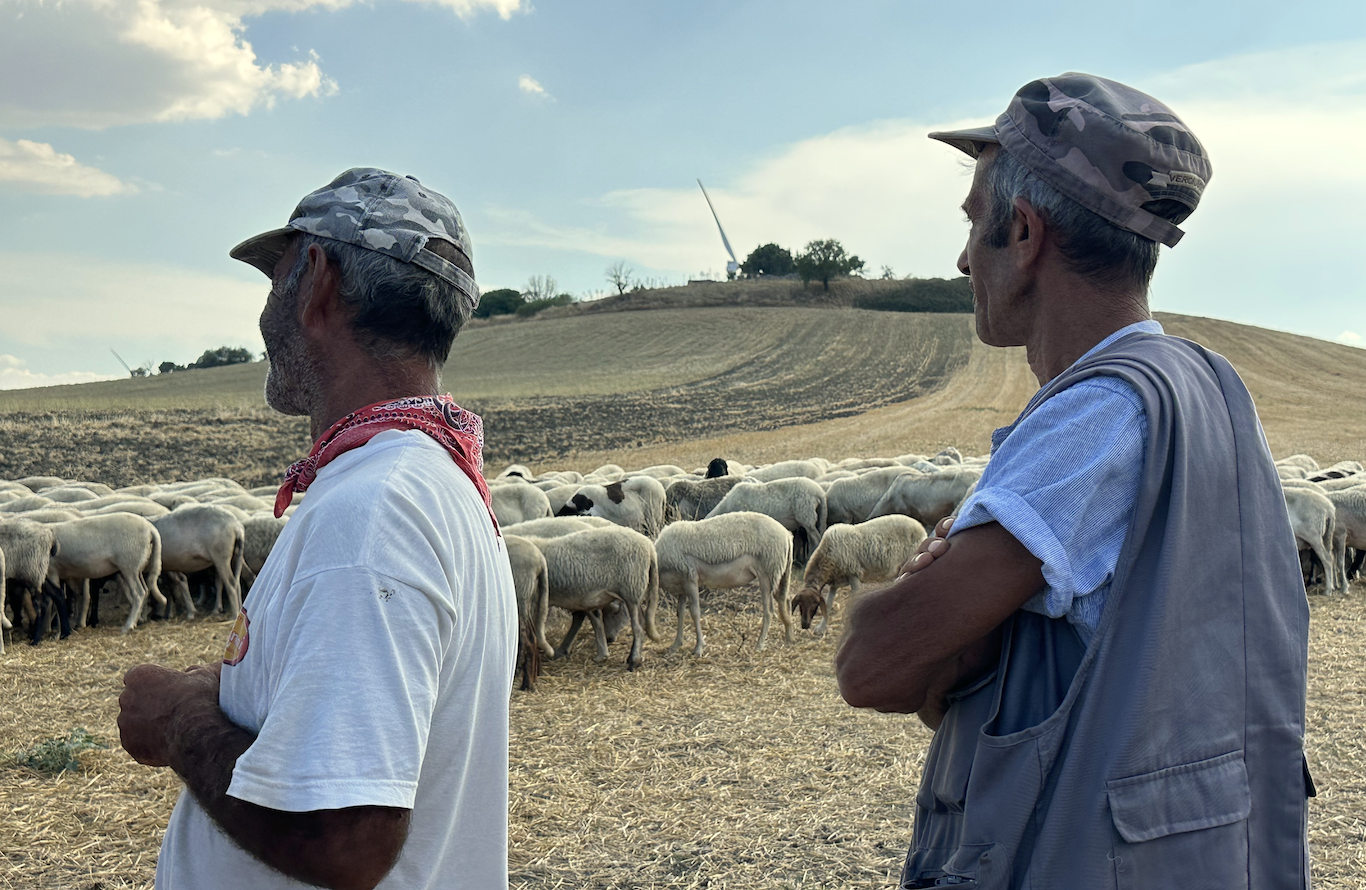
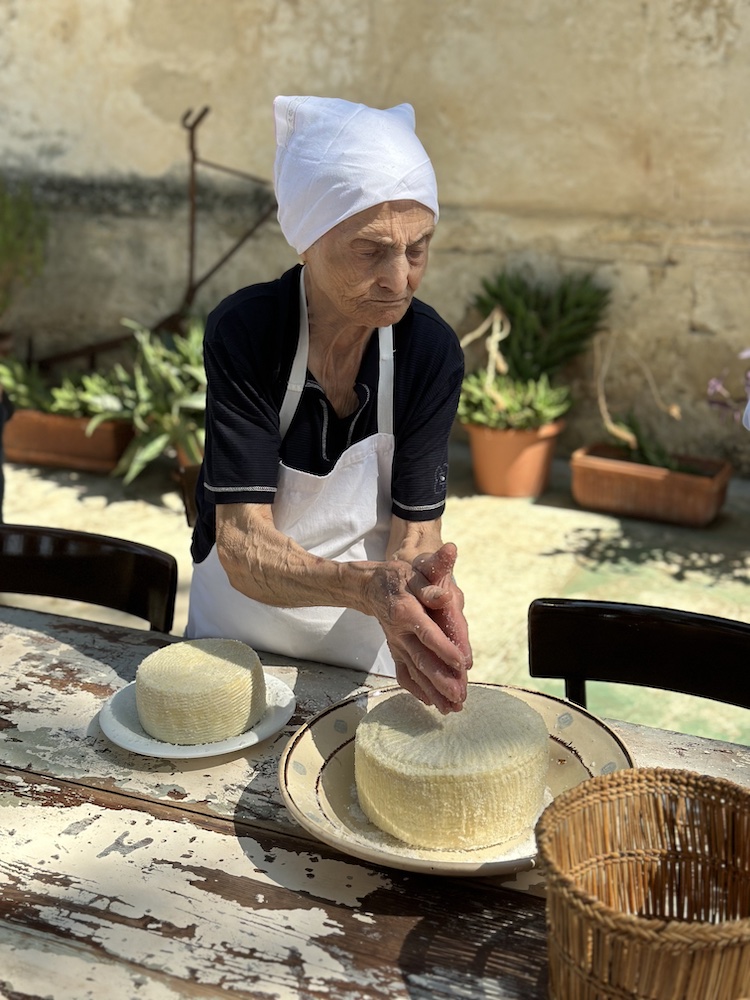
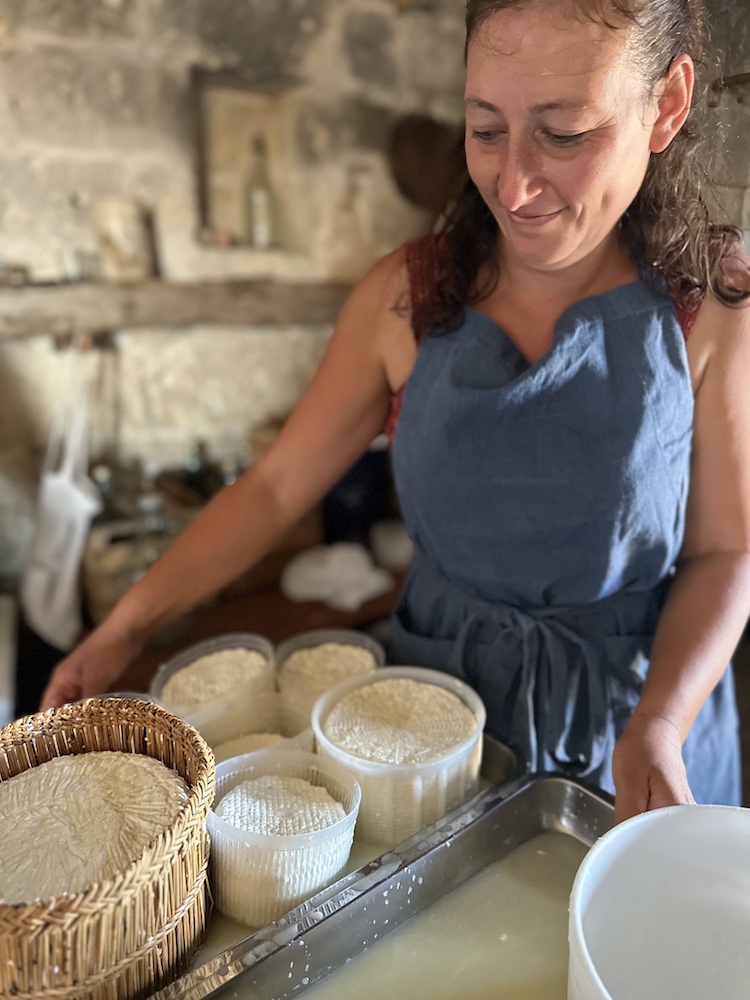

Harvesting, shepherding, feasting and the legacy of the ancient Greek Symposium is the foundation of the Messors Food Heritage Workshop.
Rooted in the gastronomic knowledge passed down through generations of shepherds, farmers, cheesemakers, bakers, fishermen, and keepers of the hearth, the workshop explores food as practice and a shared cultural language. This is a dynamic and interactive workshop that involves you with locals to understand the land, how crops are grown and tended, and how food is made.
The workshop reflects the values recognized by UNESCO in its 2025 inscription of Italian cooking on the Representative List of the Intangible Cultural Heritage of Humanity, which understands cooking as a communal, intergenerational practice shaped by sustainability, biocultural diversity, and shared meals. Through cooking, walking the land, and eating together, participants engage with food as a living cultural heritage rooted in place, community, and everyday life.
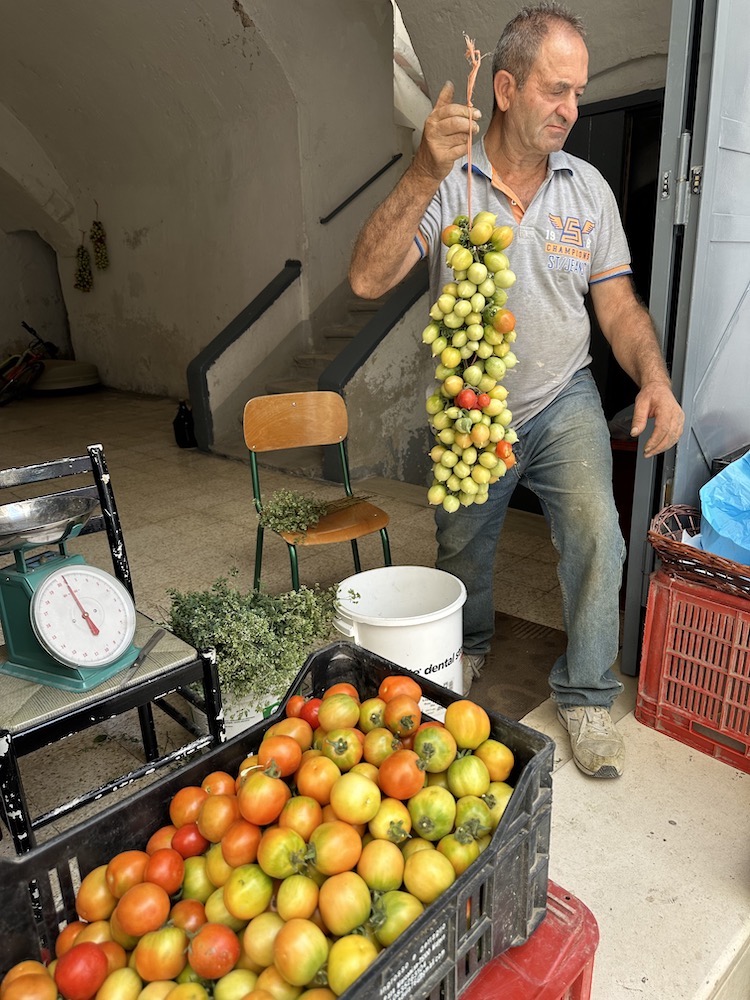
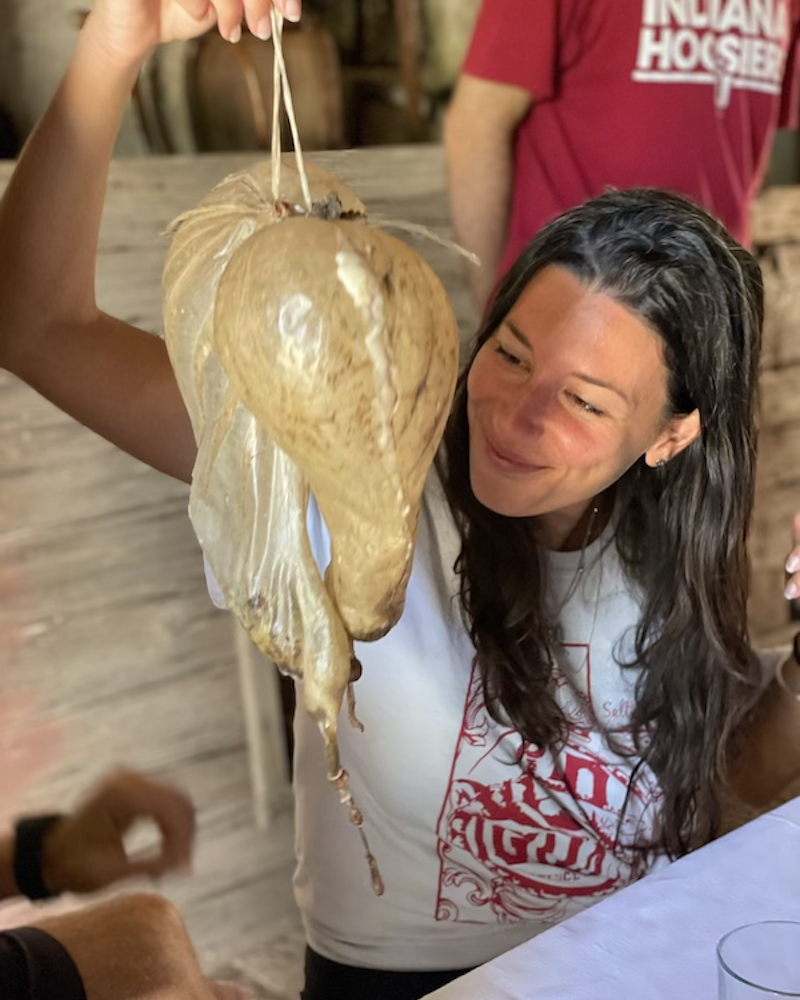
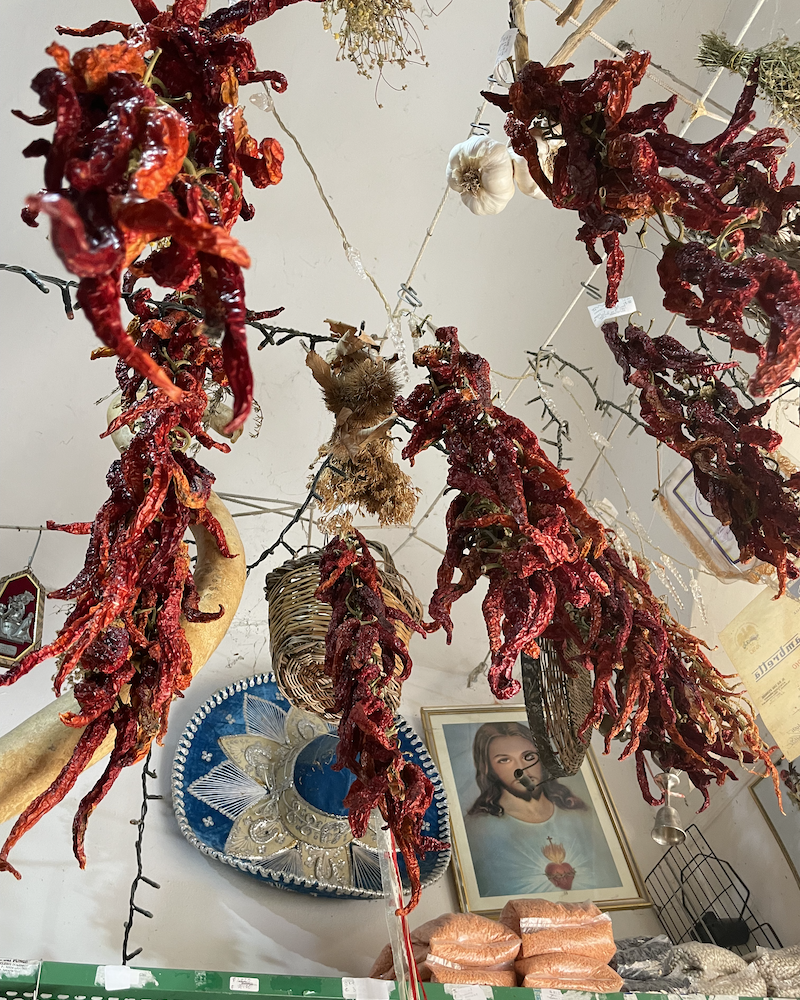
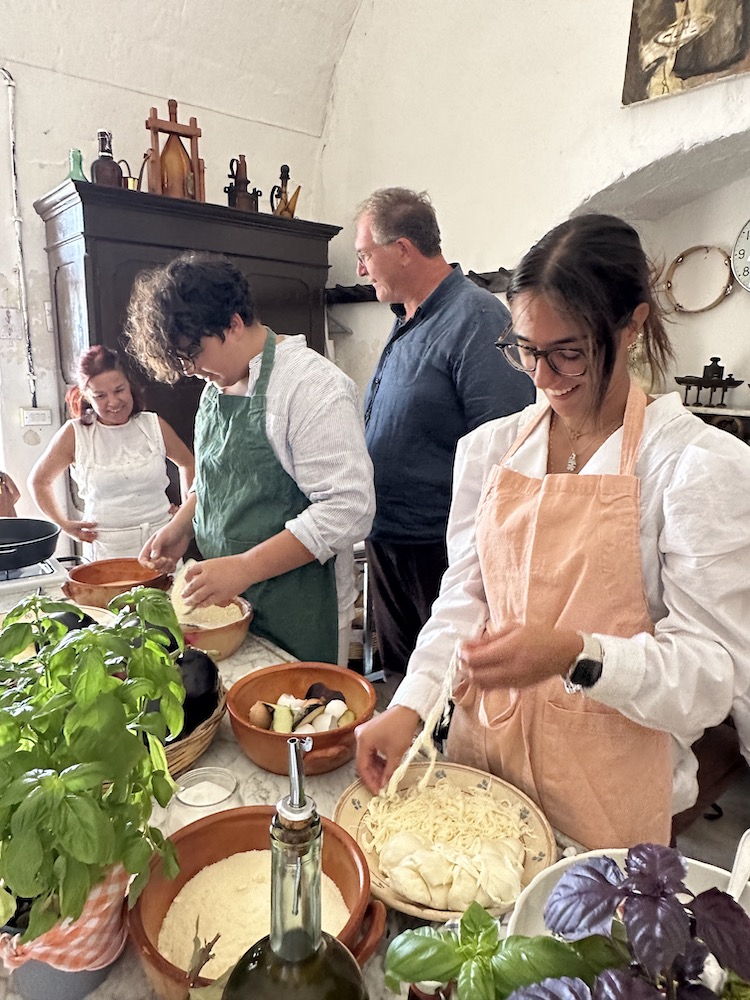
Traditional Cheesemaking with the shepherdess using natural rennet. Taste the giuncata (the first cheese of the morning) and make pecorino, ricotta, mozzarella, scamorza and burrata. Find out about natural rennets, and how to form and age cheese. Cook and prepare today’s lunch. Trek the pastures alongside the shepherd at his meditative pace while learning of the plight to preserve shepherding practices and sustainable land use.
Explore the southern Italian food culture shaped by millennia of migrations on the transhumance paths and the trading route of the ancient Via Appia, from the farmlands to the Mediterranean coasts.
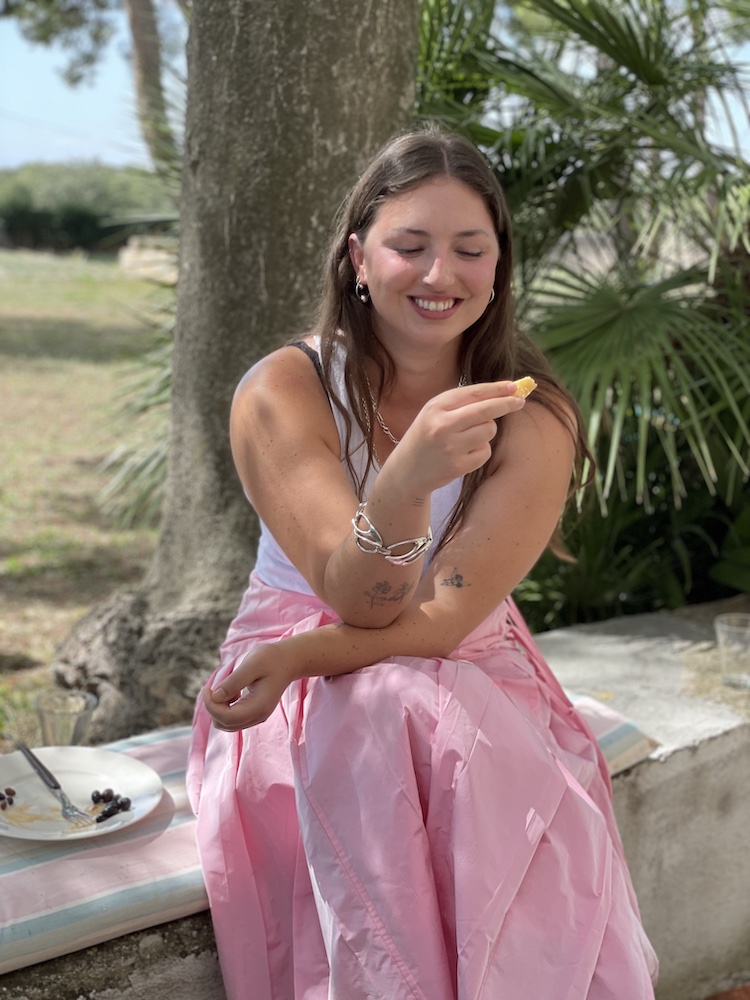
Share meals and laughter with your fellow travellers and locals in the exchange of knowledge, ideas and traditions and living heritage.
Wade through the centenarian olive trees, learn to distinguish a good olive oil, its properties, olive cultivars, and harvest through tastings and talks. Discover the wood oven-baked Altamura bread, the fragrant mother dough, and tour the fortified town that birthed it.
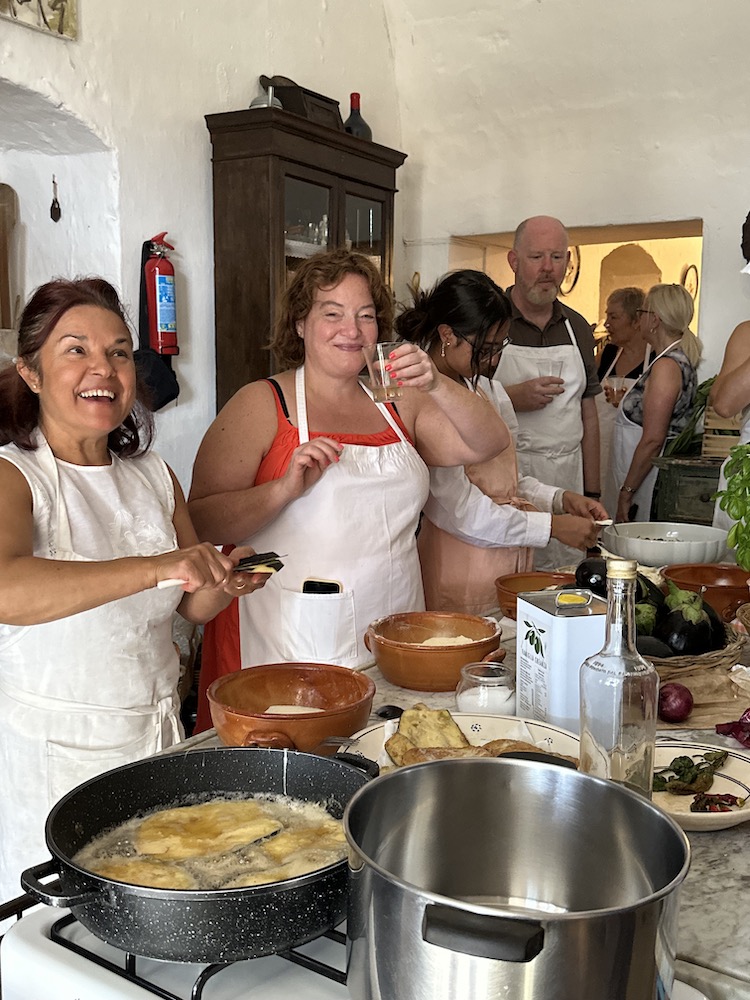
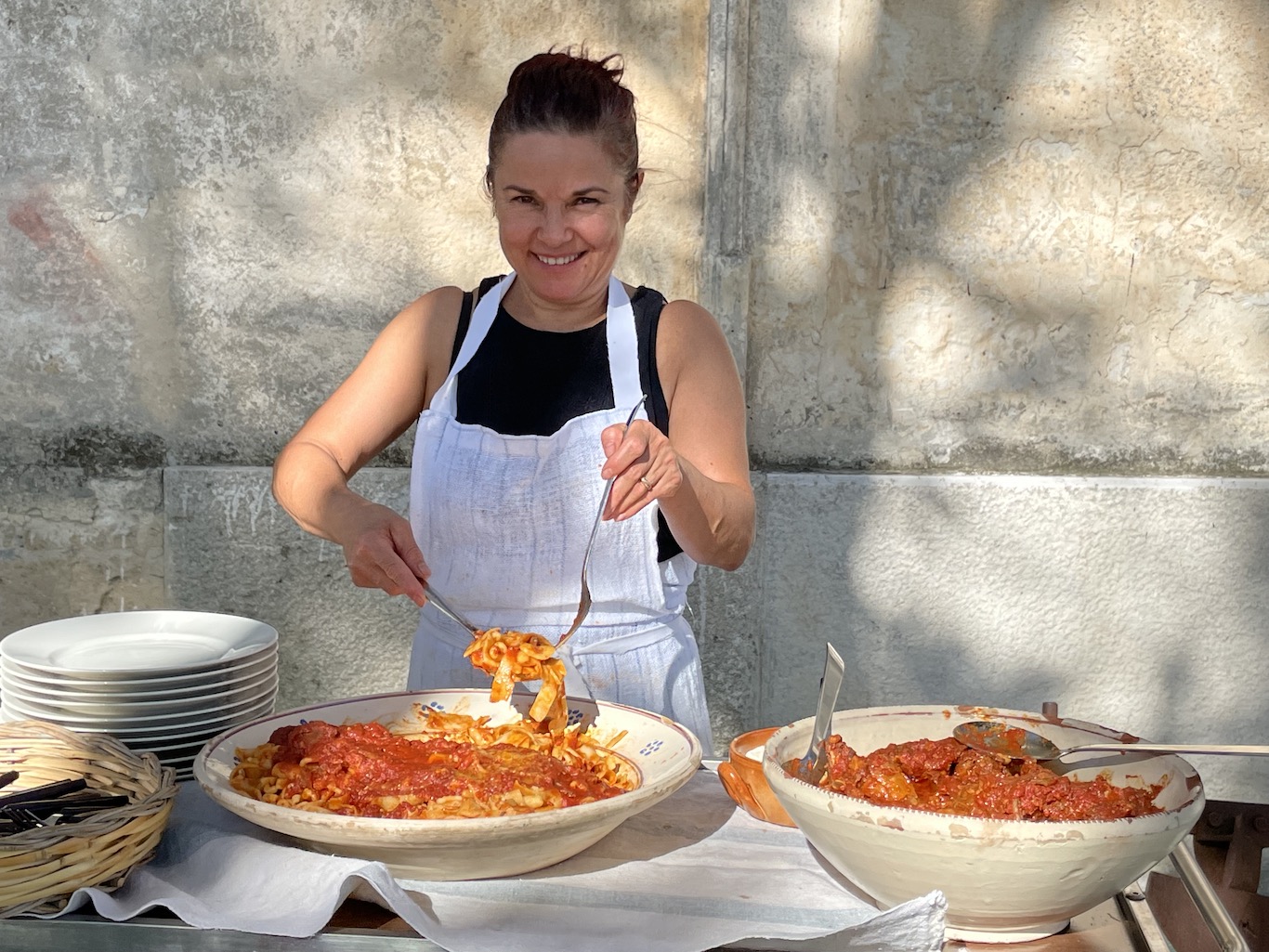
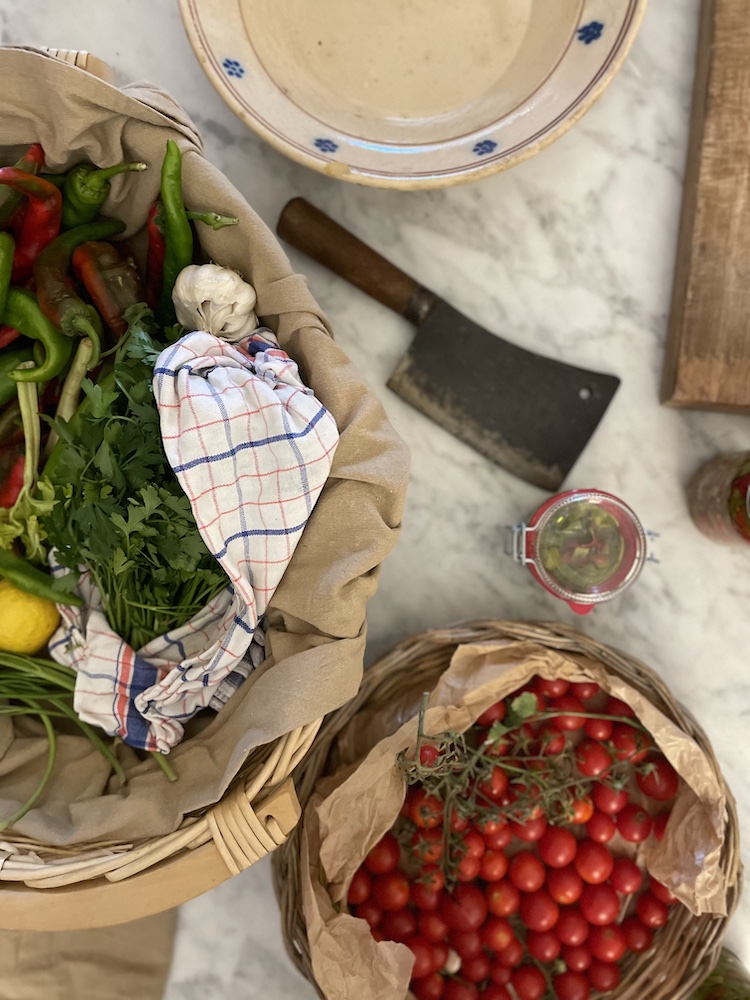
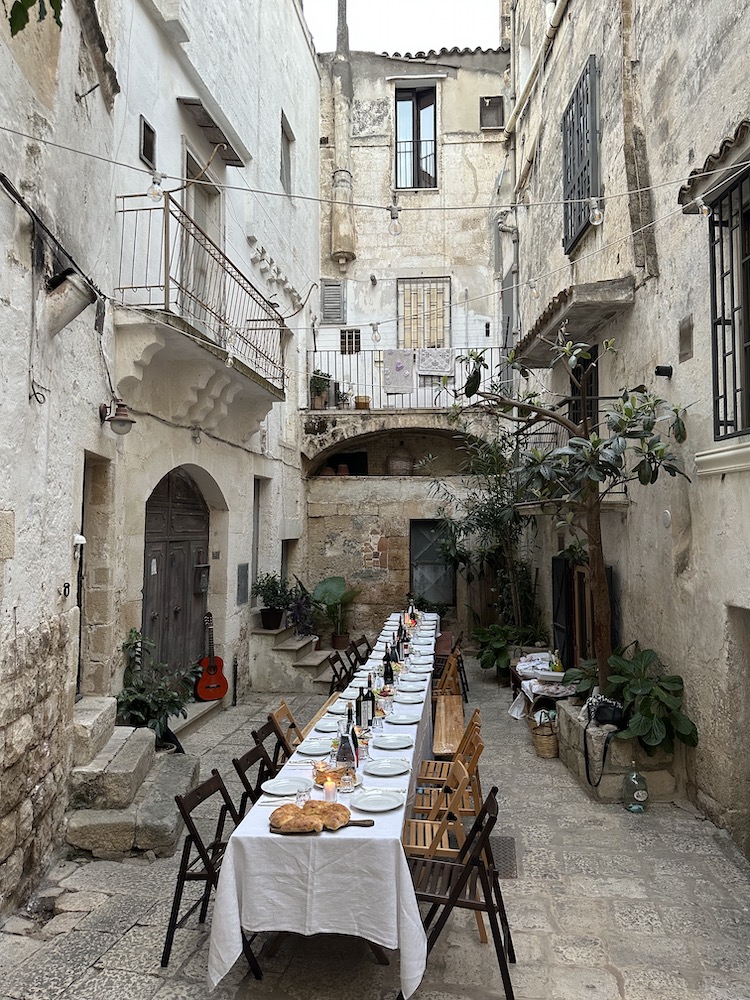
Hit the streets with pots, burners, and baskets of pomodori, melanzane and rucola and share dishes you made from families’ recipes for a dinner al fresco with local guests in one of the historical district courtyards.
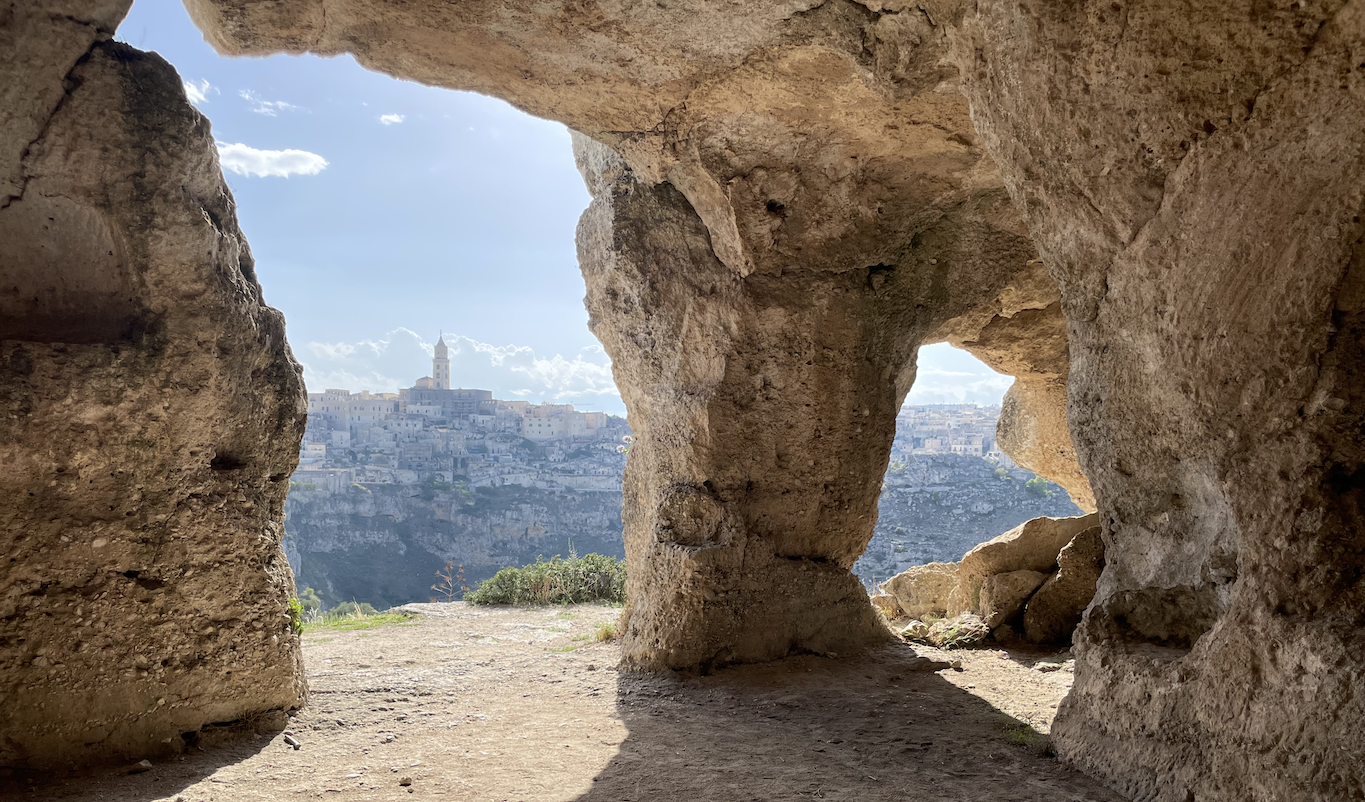
Trace the Appian Way, learn about the wheat that makes traditional pasta, and share a long table meal at a rupestrian site. Drink the unique regional wines made from autochthonous grapes preexisting the ancient Greek colonization. Walk through the mazes of Matera, a Unesco World Heritage site, and discover its cave culture history, art exhibitions, and dinner in the piazza of one of the picturesque surrounding hilltop villages: cruschi peppers, cheeses, cured meats, pizzas, artichokes, and wines. We’ll travel through the white-washed towns, red oxide terra and drystone walls of the Itria Valley to reach and inhale the blue Adriatic coast, or travel through the Fossa Bradanica to reach the Ionian Coast for a swim and sunbathe on the beach where Pythagoras used to walk.
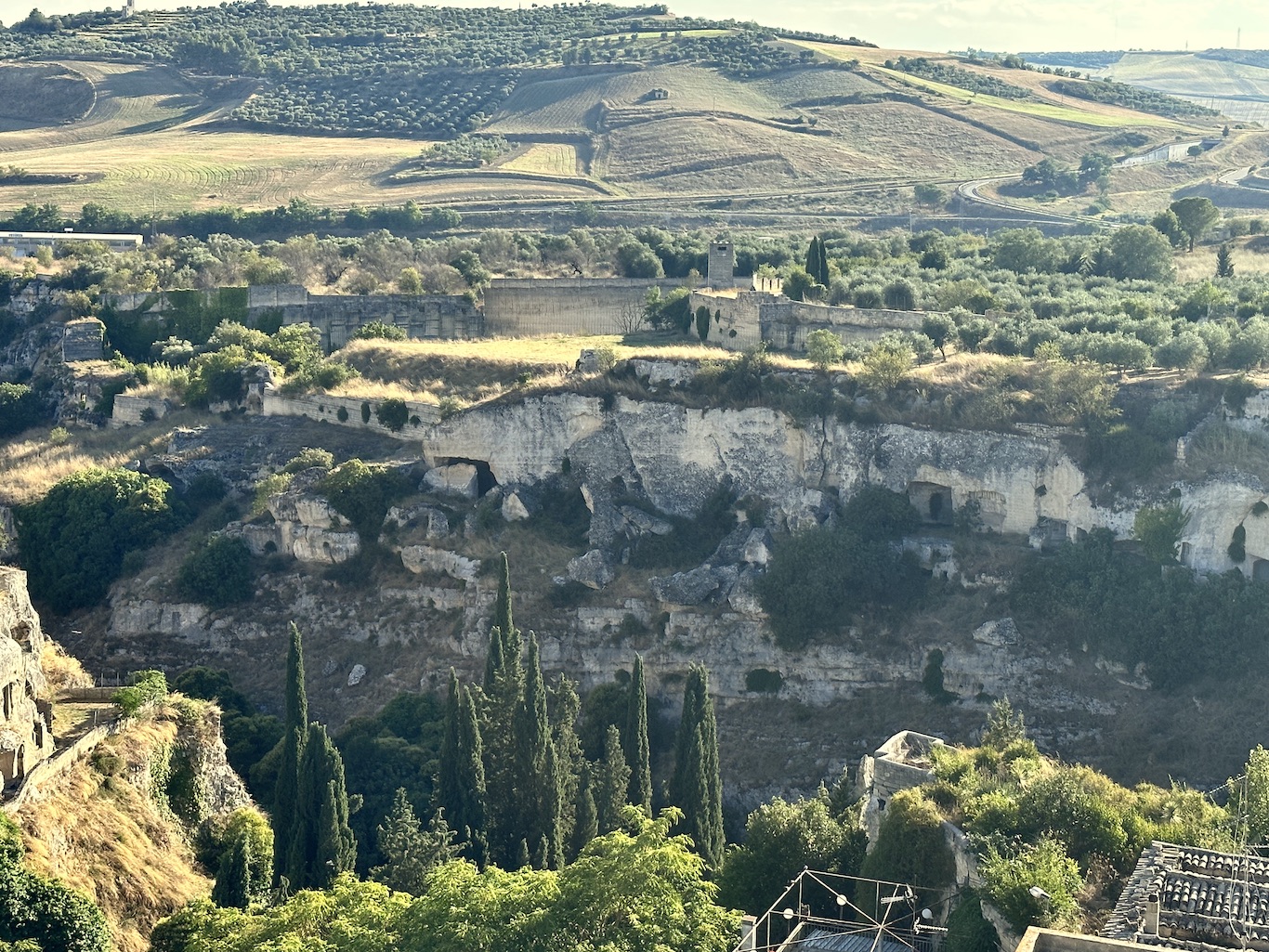
Walk the land of the masserie, the fortified farmhouses and cave settlements that represent in Puglia the sum of labour, bounty, and beauty.
The venerated cuisine of the Mediterranean has been created and re-created through the course of history by geography, social customs, migration and the mythical universe wrapped around “eating”. The food culture is inclusive of “lifestyle” which upholds traditional methods of farming and fishing and nurtures the practice of family meals, and social festivities.
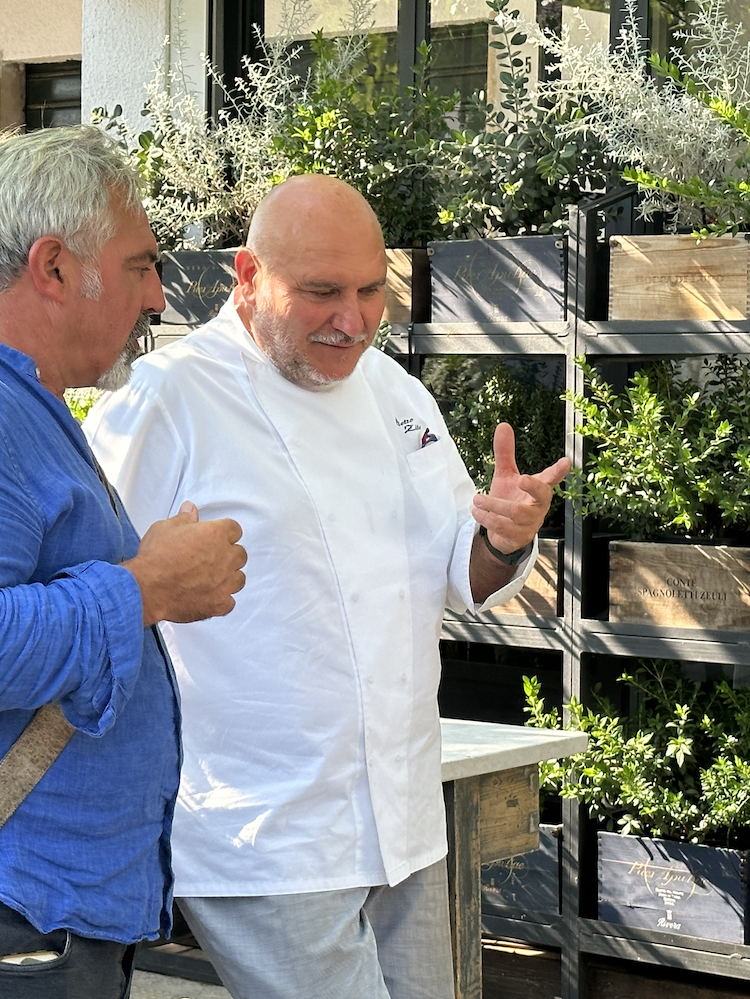
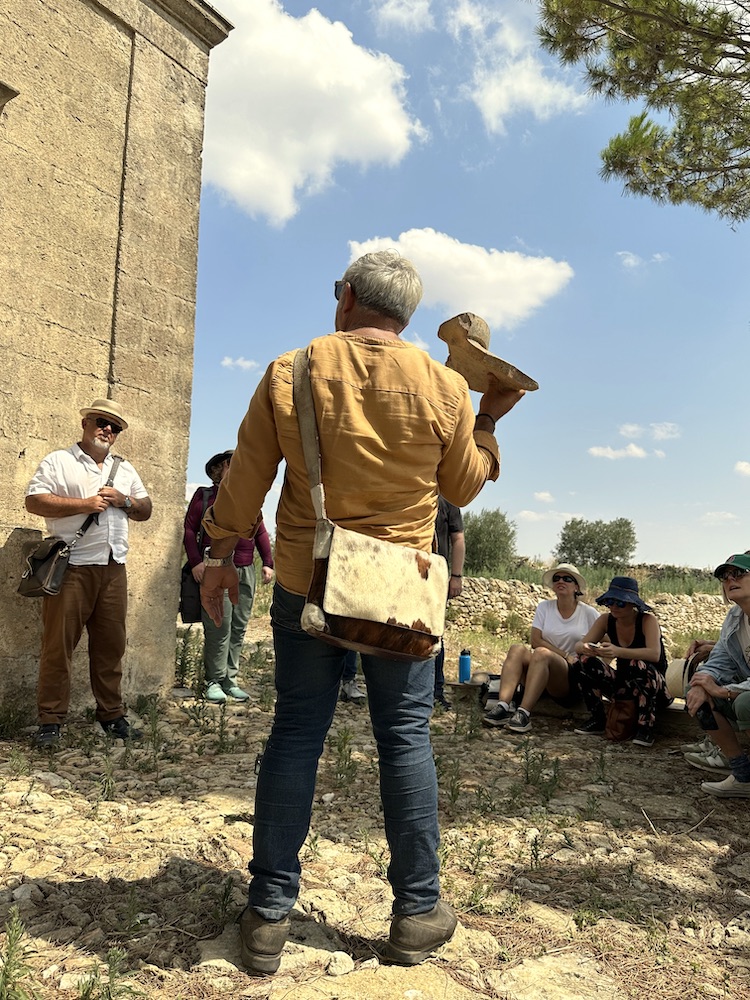
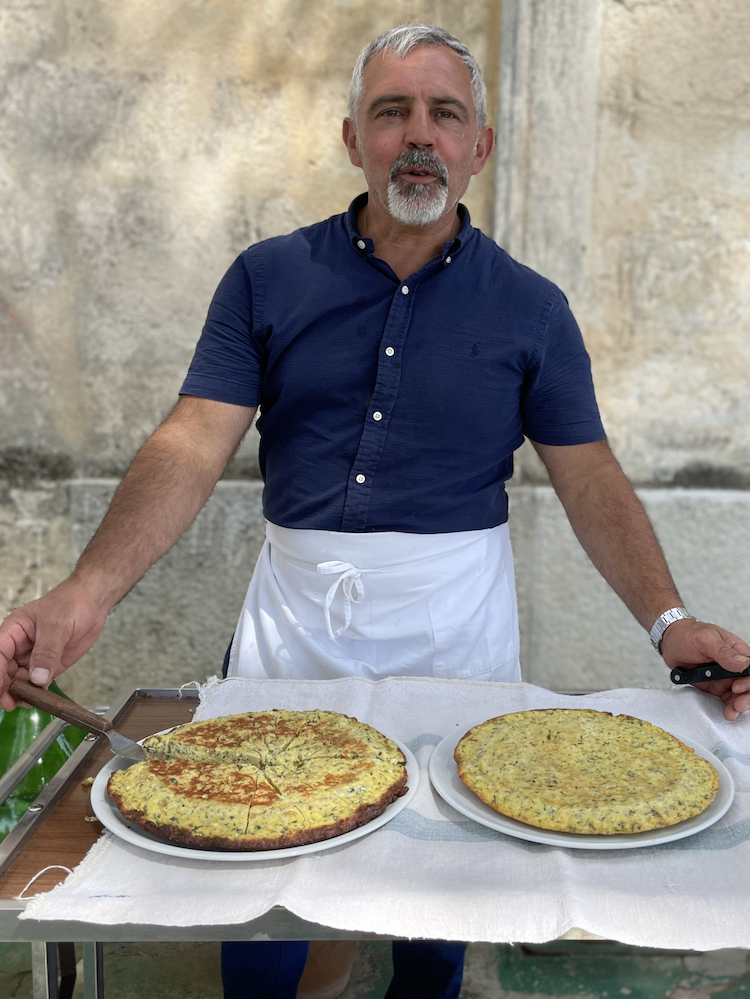
The workshop is led by Puglian native Tonio Creanza, the Founder and Director of Messors and 6th generation olive oil and durum wheat producer, along with his colleagues of local farmers, cheese makers, shepherds, historians, restauranteurs, etc.
Tonio grew up on his family farm tending to durum wheat, vineyards and olive tree cultivation in the historical and archeological rich setting of Puglia. As a cultural heritage conservator and 6th generation olive oil producer, his knowledge and passion for food and history is echoed in the workshops he has been running for the past 25 years. The hands-on and in-situ approach of the workshops creates an enriching living school model and culturally connecting experiences for travelers and locals.
Landscapes and Sites
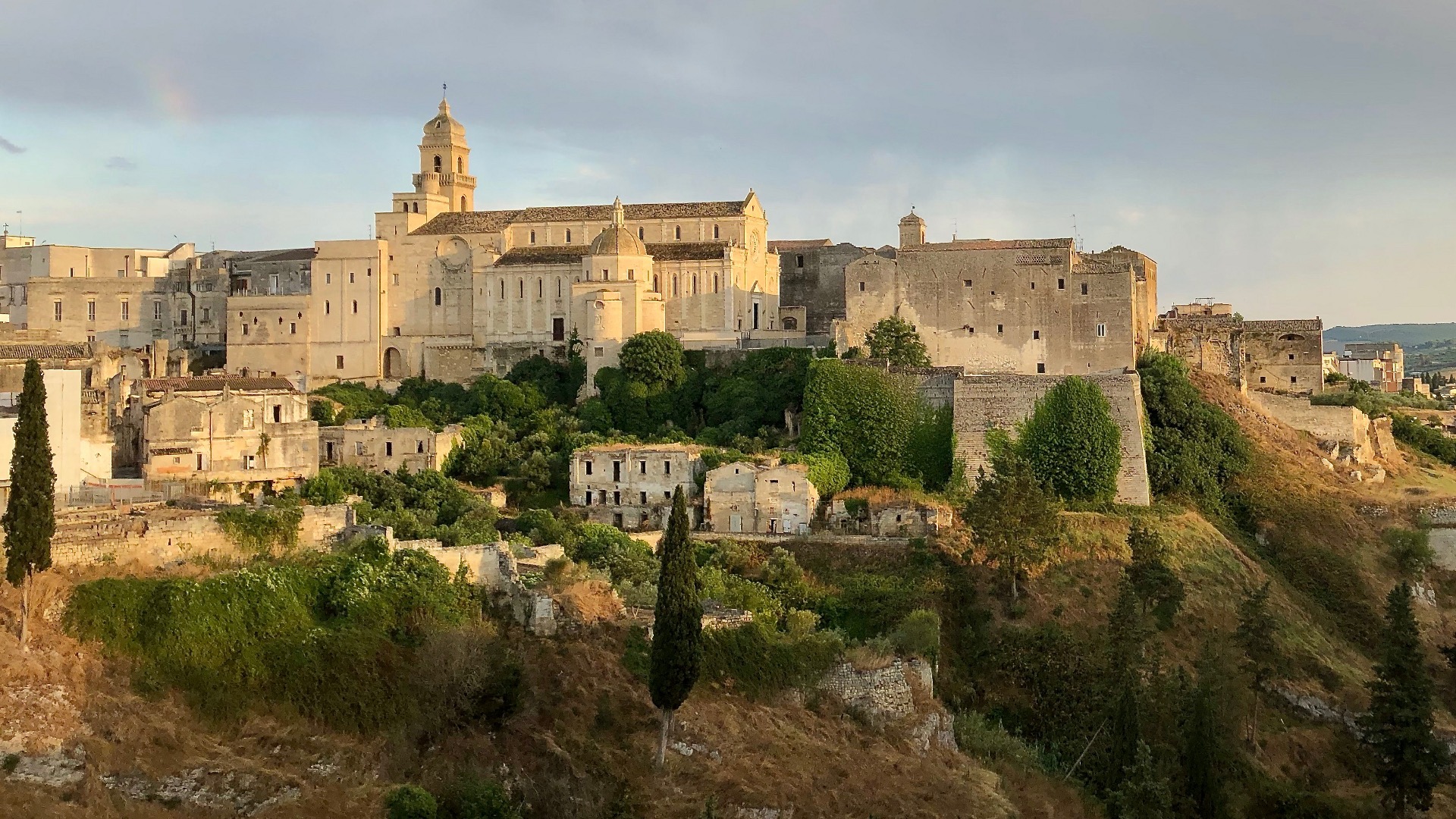
The workshop takes place across rural landscapes, farms, pastures, masserie (historic fortified farms/rural estates), rupestrian sites, historic towns, and coastal areas. Participants also explore Matera, UNESCO World Heritage Site, to understand how food culture, geology, architecture, and daily life are interwoven in southern Italy.
What This Workshop Is / What It Is Not
This workshop is:
- Hands-on and participatory, with daily involvement in food preparation and production
- Rooted in seasonal agricultural practices and local knowledge
- Centered on shared labor, meals, and community exchange
- Designed for depth, continuity, and cultural understanding
This workshop is not:
- A recipe-based or technique-driven cooking school
- A food tour or tasting itinerary
- A passive or observational experience
- Designed for large groups or casual tourism
Workshop Dates
Shepherds & Food Culture
- August 30 – September 4, 2027
- Includes arrival and departure dates
Registration
Email: messors.tonio@gmail.com
Please, let us know which workshop you are inquiring about, along with a brief introduction.
Workshops are instructed in English, and lectures are translated when necessary.
Registration for this workshop closes when we reach a maximum of 14 participants.
Due to limited capacity, participation is confirmed upon receipt of registration with a deposit.
Participants’ ages range from the early twenties to the late sixties, as do backgrounds of study and interests.
Applicants not in the general age range are welcome to inquire to discuss details, learn what to expect, and determine the suitability of the workshop’s activities.
Participation costs
Shepherds & Food Culture
- August 30 – September 4, 2027 3210 EUR
- Includes your stay (shared occupancy), transportation to and from the Bari airport, hotel or train station on arrival and departure days, meals and wine.
- Does not include: airfare, personal health and travel insurance, and personal expenses.
What to expect
This is an active and dynamic workshop. We ask participants to be in good health and prepared for walks in both rural countryside and towns, uneven terrain, and southern Italian summer temperatures.
As all participants range widely in age and background, we ask that they be able to participate in activities, appreciate group interaction, and be ready for impromptu experiences that will arise, creating adventure and a learning environment.
The workshop includes
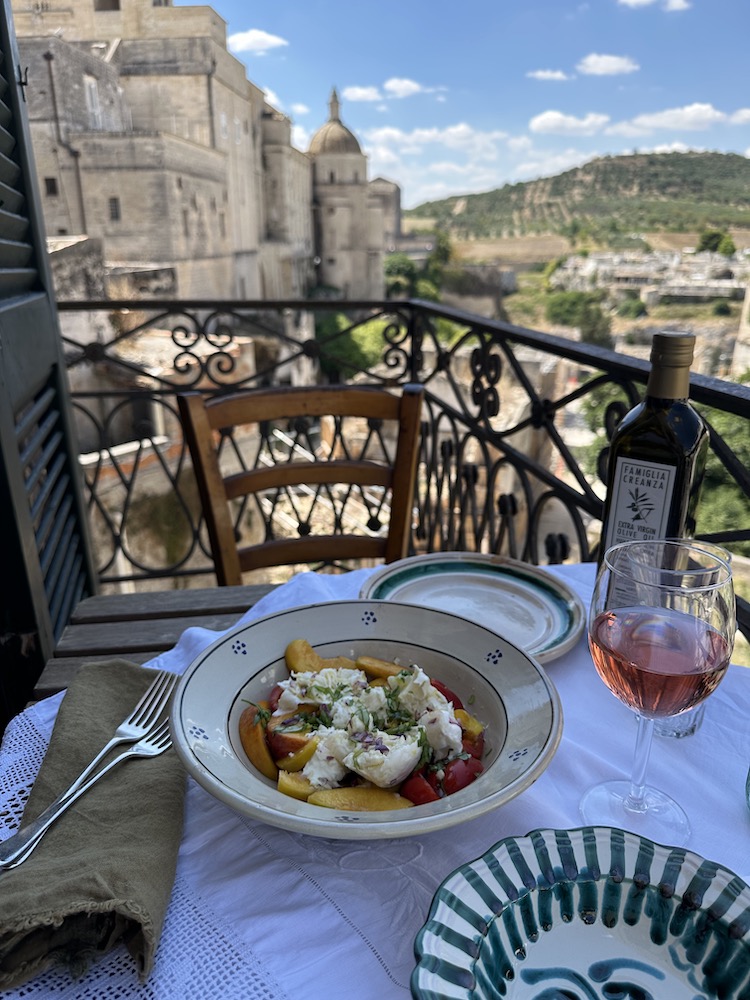
- The fundamentals of southern Italian cuisine: olive oil, wine, durum wheat flour, cheese, and seasonal produce. How it is grown, harvested, produced, and cooked. Cook, eat and enjoy it with the community.
- Olive oil tasting and talk on “The origin and evolution of olive oil extraction; distinguishing a true extra-virgin olive oil and demystifying supermarket labelling definitions. In the olive orchards – talk on cultivars, pruning, tending, harvesting.
- Drink the unique regional wines made from autochthonous grapes preexisting the ancient Greek colonization.
- From Gravina, walk to the summit of the hill rising above town. Hike through the archaeological site of Botomagno (6th- 2nd century B.C.E.) and discuss how ravine caves and trade routes have shaped food culture.
- Cheesemaking at 3rd century B.C. Fornello Cave site, meet with the shepherd and his family to bring in the flock from pasture and be part of his daily life. Learn about the cheeses of Puglia, traditional rennet, and aging. Participants will make pecorino, mozzarella, bocconcini, treccia, burrata, scamorza.
- All day cooking regional traditional dishes at the iconic masseria in the countryside.
- Visit and talk about the evolution of Matera and its Sassi, the unique cave-dwelling settlement that has been inhabited for millennia and UNESCO World Heritage Site.
- Learn about the mother dough, the grains, the shapes, the history and the energy-efficient cycle of Altamura DOP bread at the traditional wood-oven bakery in town.
- Lecture and walk through the historical town of Altamura: “The urban evolution and rural settlement of Altamura – centro storico from Neolithic to Medieval era: the historical connection of food, social structures, and celebratory customs”.
- White & sparkling wines and swim in the Mediterranean Sea, on the Ionian beach that enticed Pythagoras, or on the Adriatic coast theatre of Venetian trades.
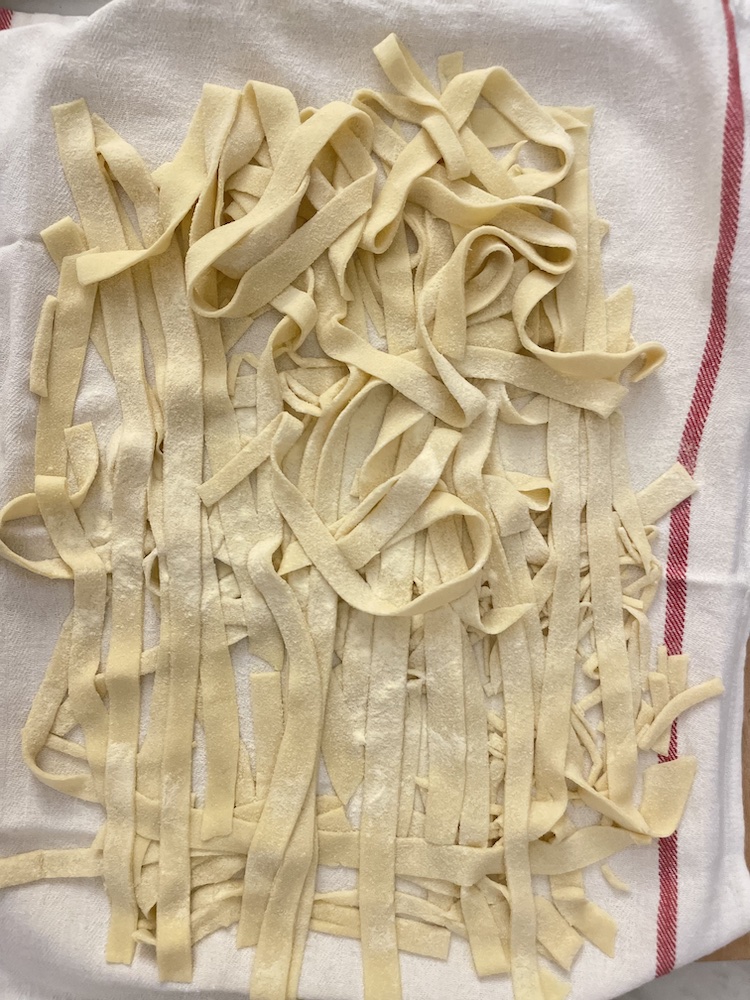
- Local farm- talk on Durum wheat crops, seeding, and harvesting. Learn to make pasta from durum wheat flour in different shapes specific to the region.
- Hit the streets of the old town, prepare traditional dishes at the butcher shop and set a long table dinner with and for locals.
- Excursions to: Matera, Altamura, Ionian Sea, Calanchi region, historical sites of Botromagno, Jesce, Fornello.
*Field trips and projected itinerary are subject to changes depending on weather conditions, museum and third parties operating hours, and unforeseen circumstances.
Who It’s For
Open to adult learners interested in food culture, gastronomic heritage, food anthropology, traditional foodways, and hands-on learning rooted in place. Participants often include food enthusiasts, artists, researchers, heritage professionals, and culturally curious travellers.
No prior cooking or food studies experience is required.
The workshop is particularly well-suited to participants seeking meaningful travel, cultural depth, and direct engagement rather than leisure-based food tourism.
Frequently Asked Questions
What is a food heritage workshop?
A food heritage workshop is a hands-on learning experience focused on how food is grown, produced, prepared, and shared within its cultural, historical, and environmental context. It emphasizes process, place, and community knowledge.
Is this a cooking class?
No. While participants cook and prepare meals, the workshop is not a recipe-based cooking course. Cooking is used as a way to explore traditional techniques, seasonal ingredients, and the social role of food.
What makes this different from food tours in Italy?
This workshop is participatory rather than observational. Participants work directly with local producers, engage in food preparation, spend time in working landscapes, and share meals as part of everyday community life, rather than following a fixed sightseeing itinerary.
Do I need prior cooking experience?
No. All activities are guided and adapted for participants with different levels of experience.
Will I be working directly with local producers?
Yes. Participants engage directly with shepherds, farmers, cheesemakers, bakers, olive oil producers, winemakers, and local community members. These interactions form a central part of the learning experience.
What kinds of activities are included?
Activities include cheese-making with natural rennet, cooking traditional meals using seasonal ingredients, D.O.P bread and olive oil tastings, walking and trekking through pastures and agricultural landscapes, shared meals with locals, and outdoor communal cooking and dining.
What foods and ingredients will we work with?
Participants work with foundational elements of southern Italian cuisine, including olive oil, wine, durum wheat flour, cheese, seasonal vegetables, and regional specialties. Cheese-making includes giuncata, pecorino, ricotta, mozzarella, scamorza, and burrata, depending on the season and production cycle.
Is this workshop physically demanding?
Some activities involve walking, trekking through pastures, standing during cooking sessions, and outdoor excursions. While no advanced fitness level is required, participants should be comfortable with gentle, moderate physical activity.
How much of the workshop is hands-on?
Most days emphasize active participation through cooking, food preparation, tastings, walking, and shared meals. Talks, storytelling, and discussions are woven into these activities to provide historical and cultural context.
Where does the workshop take place?
The workshop takes place in rural landscapes, farms, pastures, historic towns, masserie, rupestrian sites, coastal areas, and UNESCO World Heritage locations such as Matera. Locations vary depending on seasonal activities and food production cycles.
Will we be eating together?
Yes. Shared meals are a core component of the workshop. Participants cook, eat, and dine together with locals, reflecting the importance of communal meals, hospitality, and social exchange in Mediterranean food culture.
Is this an academic or professional certification?
This is an immersive cultural and experiential workshop. Participants often attend for personal enrichment, cultural learning, and a deeper understanding of food heritage. Past participants have used the experience through our certificate of participation to support academic applications and professional development. Some of them have used the certificate of participation also for credits.
What language is the workshop conducted in?
The workshop is conducted in English. Local contributors may speak Italian, with translation or contextual explanation provided as needed.